Understanding GLP: How It Enhances Medical Aesthetic Treatments
pe
In the rapidly evolving field of medical aesthetics, ensuring the effectiveness and safety of treatments is paramount. This is where Good Laboratory Practice (GLP) plays a crucial role. Understanding GLP can provide insights into how medical aesthetic treatments are enhanced, ensuring quality and safety for patients.

What is Good Laboratory Practice (GLP)?
Good Laboratory Practice is a set of principles designed to ensure the quality and integrity of non-clinical laboratory studies. These studies are essential for assessing the safety and efficacy of products, including medical aesthetic treatments. GLP compliance means that a laboratory adheres to standardized procedures, ensuring consistent and reliable results.
The principles of GLP cover various aspects of laboratory operations, including study planning, conduct, reporting, and archiving. By maintaining these standards, laboratories can provide credible and reproducible data, which is critical for regulatory approvals and patient safety.
How GLP Enhances Medical Aesthetic Treatments
Medical aesthetic treatments rely on innovative products and technologies. GLP ensures these products are thoroughly tested, minimizing risks and enhancing treatment outcomes. Here are some key ways GLP contributes to medical aesthetics:
- Safety Assurance: GLP ensures that every product undergoes rigorous safety testing, reducing potential side effects.
- Quality Control: Adherence to GLP standards guarantees high-quality products that perform as expected.
- Regulatory Compliance: GLP-compliant studies facilitate smoother regulatory approvals, bringing effective treatments to market faster.
Role of GLP in Research and Development
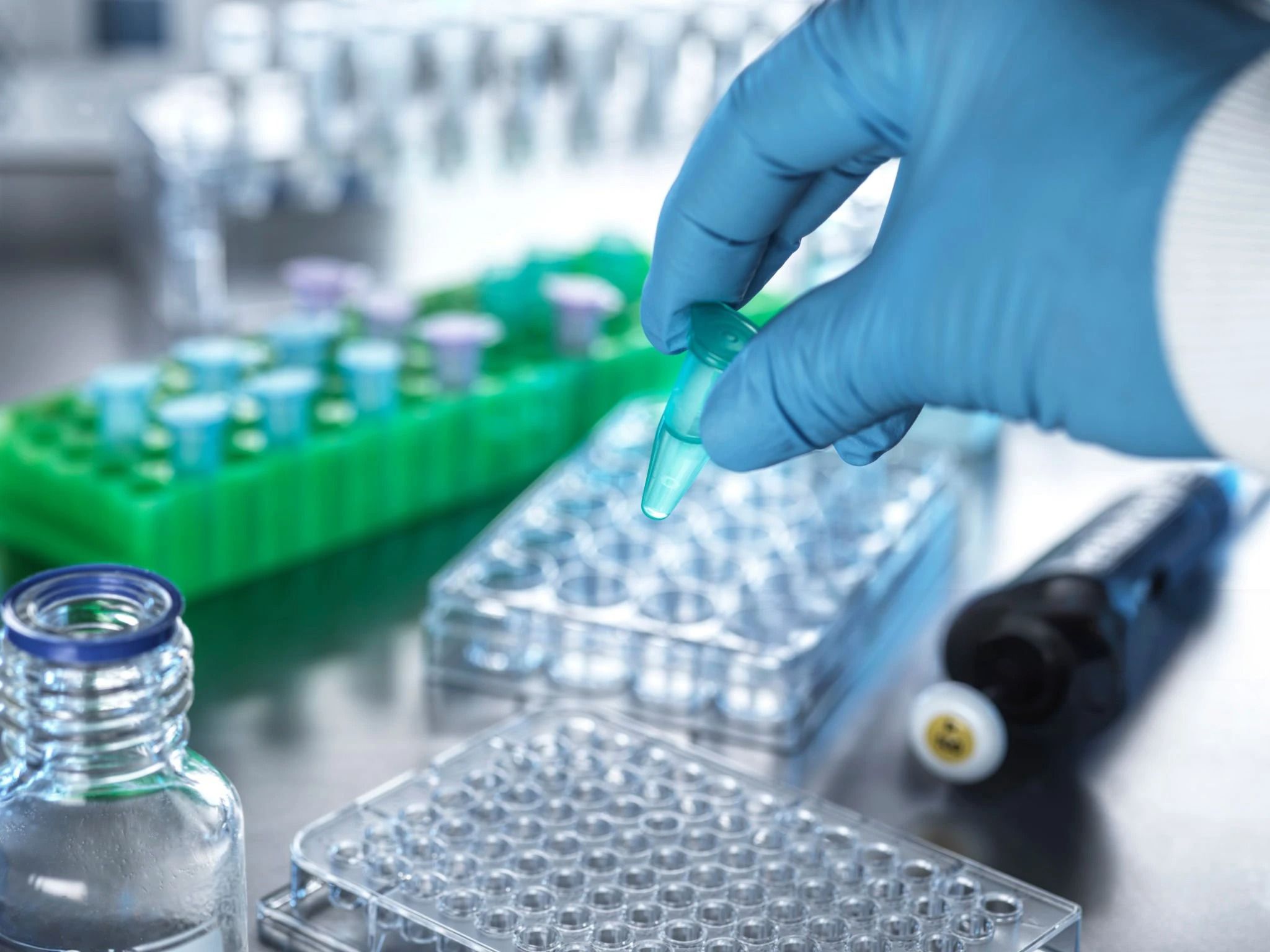
In the R&D phase, GLP plays a vital role by providing a structured framework for testing new treatments. This ensures that data generated is reliable and credible, allowing researchers to make informed decisions about product development. By following GLP, laboratories can identify potential issues early, refining treatments before they reach the market.
Moreover, GLP facilitates transparency and accountability, as all processes are documented and traceable. This is particularly important for audits and reviews, where detailed records can demonstrate compliance and integrity.
Impact on Patient Trust and Satisfaction
Patients undergoing medical aesthetic procedures often seek reassurance that the treatments they receive are safe and effective. GLP enhances patient trust by ensuring that products have been tested to the highest standards. This assurance can lead to increased patient satisfaction and confidence in the outcomes of their treatments.

Furthermore, practitioners can confidently recommend treatments, knowing that they comply with stringent safety and quality standards. This not only improves the reputation of the clinic but also boosts patient loyalty and referrals.
The Future of GLP in Medical Aesthetics
As the demand for medical aesthetic treatments continues to grow, the importance of GLP will only increase. Innovations in technology and product formulations will require robust testing to ensure they meet both safety and efficacy standards. GLP provides the foundation for this testing, supporting the development of cutting-edge treatments that benefit patients worldwide.
In conclusion, understanding and implementing Good Laboratory Practice is essential for enhancing medical aesthetic treatments. By ensuring safety, quality, and compliance, GLP contributes to more effective and trusted procedures, ultimately benefiting both practitioners and patients.