The Ultimate Guide to Peptides in Medical Aesthetics
pe
Understanding Peptides in Medical Aesthetics
Peptides are small chains of amino acids that play a crucial role in the body’s overall function. In the realm of medical aesthetics, these powerful compounds have become a cornerstone for skincare and anti-aging treatments. Their ability to communicate with the skin at a cellular level makes them an essential ingredient in many cosmetic products.
One of the most appealing aspects of peptides is their versatility. They can target a variety of skin concerns, from reducing the appearance of fine lines to improving skin elasticity. This adaptability makes them a favorite among dermatologists and skincare enthusiasts alike.
How Peptides Work
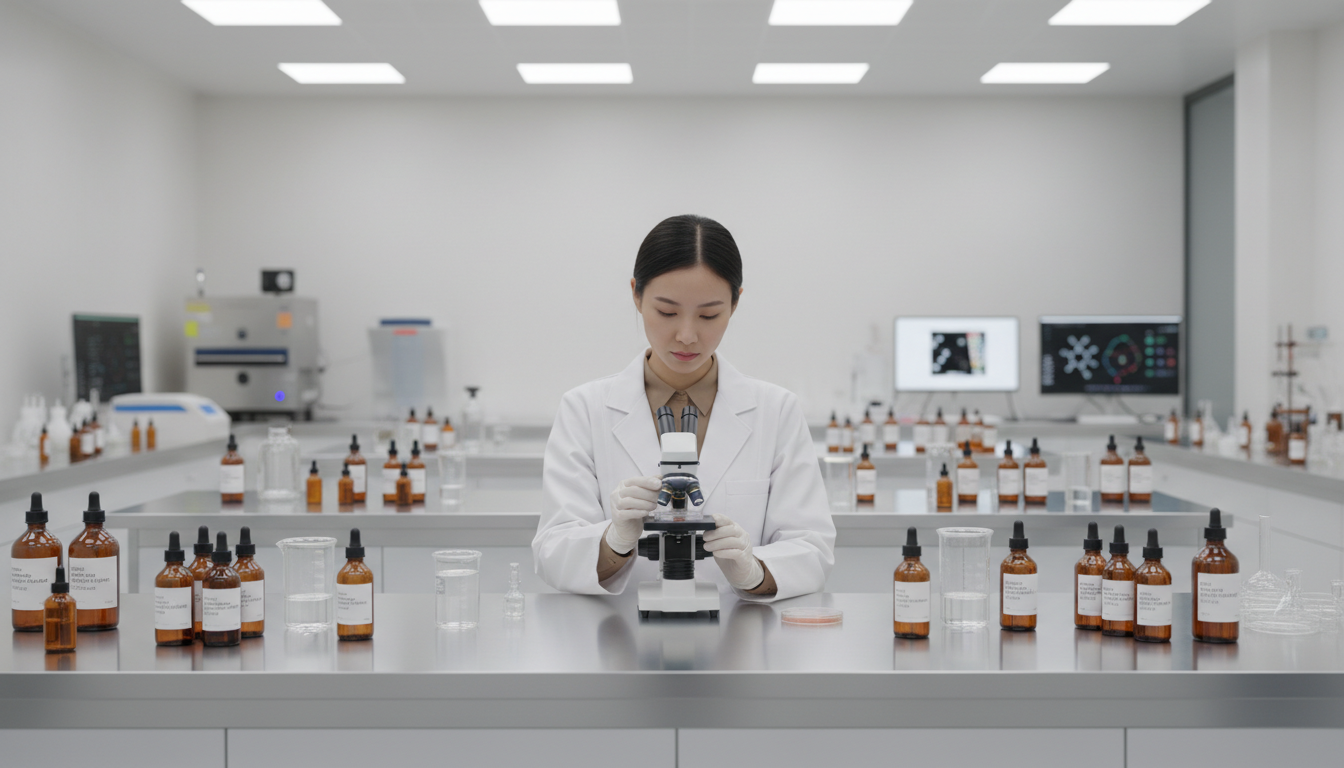
Peptides function by sending signals to skin cells, prompting them to produce more collagen or elastin, which are key proteins for maintaining skin’s youthful appearance. As we age, our natural production of these proteins decreases, leading to signs of aging such as wrinkles and sagging skin. Incorporating peptides into skincare routines can help counteract these effects.
Beyond their collagen-boosting capabilities, peptides also have anti-inflammatory properties. This can be particularly beneficial for individuals with sensitive skin or conditions like rosacea. By calming inflammation, peptides help promote a smoother, more even complexion.
Types of Peptides Used in Skincare
There are several kinds of peptides used in medical aesthetics, each with unique benefits. Here are some of the most common:
- Signal Peptides: These peptides encourage the production of collagen and elastin, which are essential for skin firmness and elasticity.
- Carrier Peptides: They deliver essential trace elements to the skin, aiding in wound healing and skin repair.
- Enzyme Inhibitor Peptides: These peptides help slow down the natural breakdown of collagen, maintaining skin's structural integrity.
- Neurotransmitter Inhibitor Peptides: Sometimes referred to as “Botox-like” peptides, they help relax facial muscles, minimizing the appearance of expression lines.
Incorporating Peptides into Your Skincare Routine
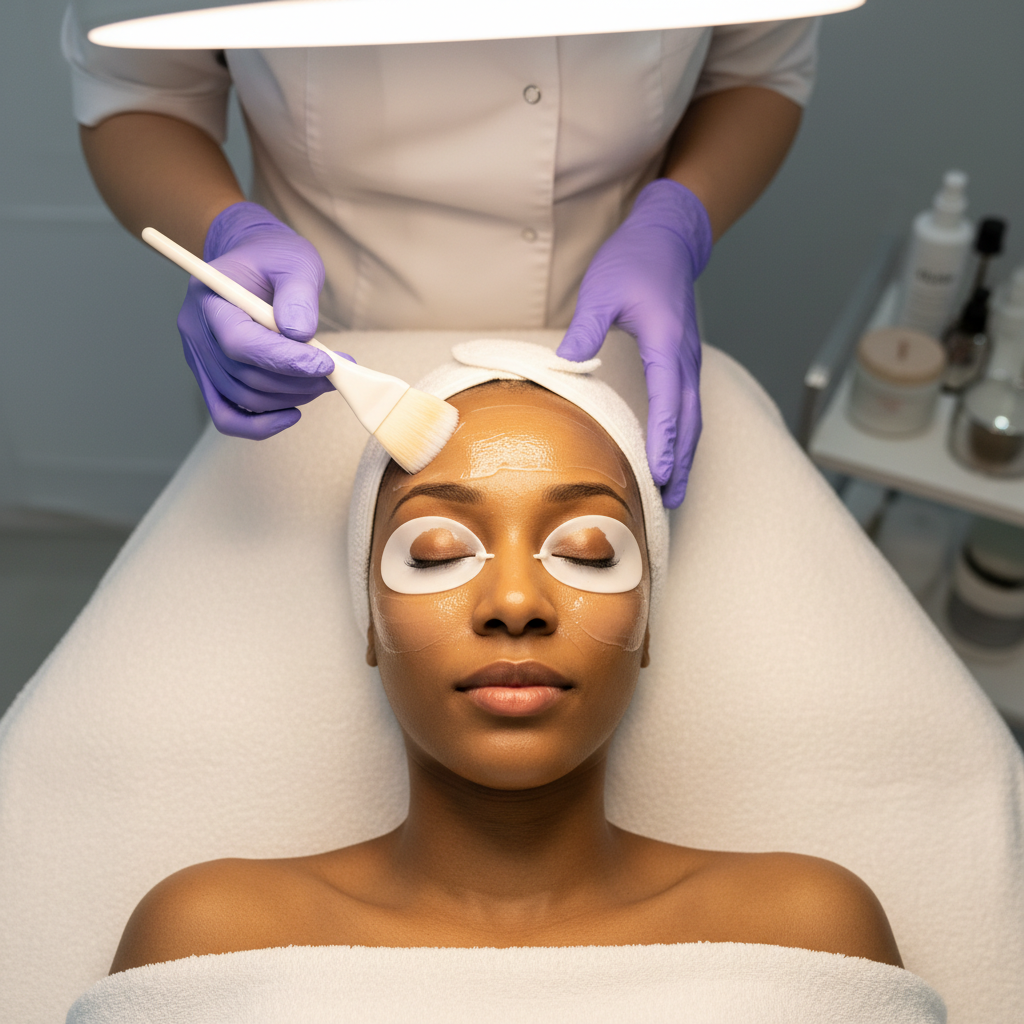
To maximize the benefits of peptides, it's essential to incorporate them correctly into your skincare regimen. Peptide-rich serums and creams are often recommended for daily use. They can be applied after cleansing and before moisturizing to ensure optimal absorption.
It's also important to pair peptides with other complementary ingredients. For instance, using them alongside hyaluronic acid can enhance hydration, while combining them with antioxidants like vitamin C can provide additional protection against environmental damage.
Benefits of Peptides in Medical Aesthetics
The benefits of peptides in medical aesthetics extend beyond just anti-aging. They can also improve skin texture, enhance hydration, and even out skin tone. Their ability to work synergistically with other skincare ingredients makes them a versatile addition to any routine.
Moreover, peptides are generally well-tolerated, making them suitable for most skin types, including sensitive skin. This broad compatibility adds to their appeal as a go-to ingredient in the world of skincare.
Conclusion: Embracing the Power of Peptides
In the dynamic world of medical aesthetics, peptides stand out as a powerful tool for achieving youthful and radiant skin. Their ability to communicate with skin cells and promote essential skin functions makes them indispensable in skincare science. Whether you're looking to reduce the signs of aging or simply enhance your skin's overall health, peptides offer a reliable and effective solution.
As research continues to unveil more about the capabilities of peptides, their role in medical aesthetics is set to expand even further, promising exciting developments for skincare enthusiasts and professionals alike.