The Ultimate Guide to Peptides in Medical Aesthetic Devices
pe
Introduction to Peptides in Aesthetic Medicine
Peptides are rapidly gaining attention in the realm of medical aesthetics for their remarkable ability to rejuvenate and revitalize the skin. These short chains of amino acids serve as the building blocks of proteins like collagen and elastin, essential for maintaining youthful skin. In this guide, we explore how peptides are revolutionizing aesthetic devices and treatments.
What Are Peptides?
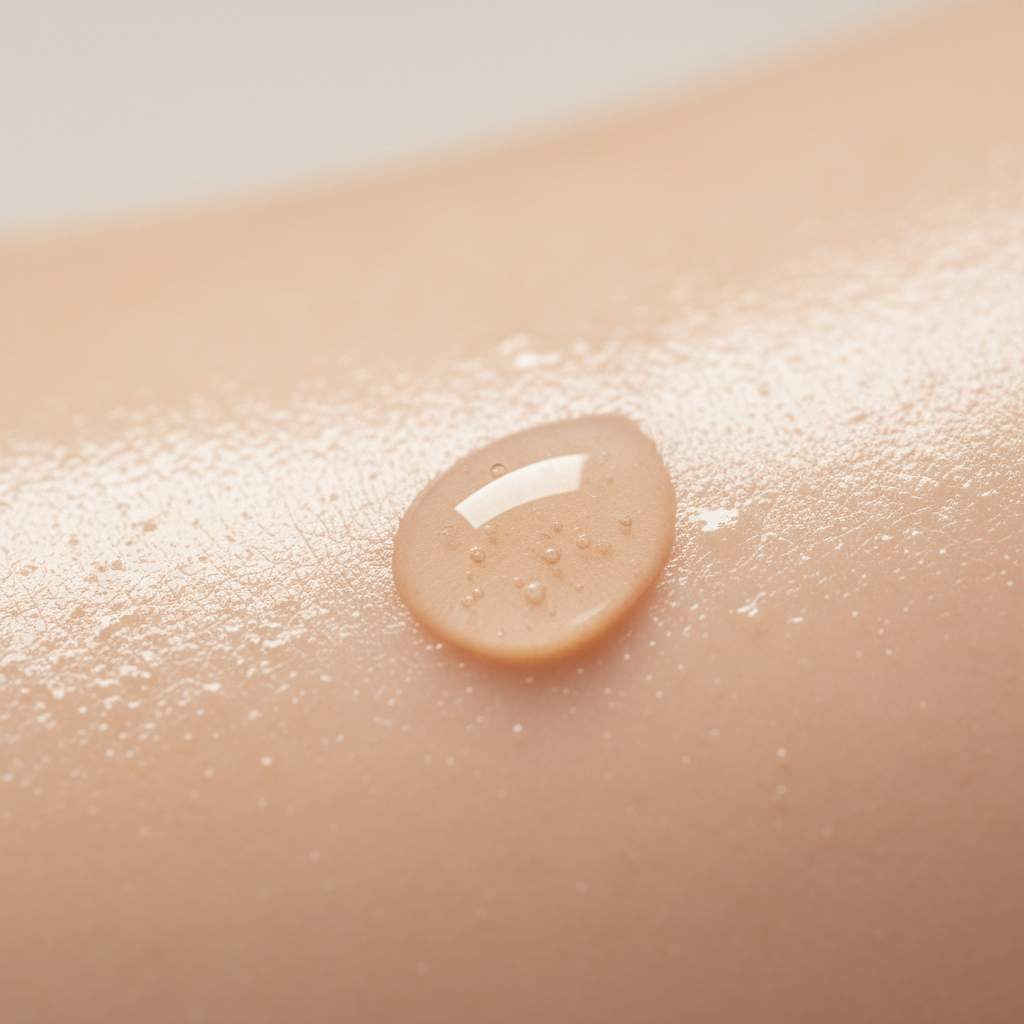
Peptides are small proteins composed of amino acids, and they play a crucial role in signaling skin cells to perform specific functions. When applied to the skin, peptides can stimulate collagen production, enhance elasticity, and promote healing. This makes them a popular ingredient in many skincare products and treatments.
Types of Peptides
There are several types of peptides used in medical aesthetics, each with unique benefits:
- Signal Peptides: These stimulate collagen production and help improve skin texture and firmness.
- Carrier Peptides: Known for delivering trace elements necessary for wound healing and repair.
- Inhibitor Peptides: These can help relax facial muscles, reducing the appearance of fine lines and wrinkles.

The Role of Peptides in Aesthetic Devices
Aesthetic devices incorporating peptides are designed to enhance the effectiveness of treatments. Whether used in microneedling, laser therapies, or topical applications, peptides can significantly improve outcomes by promoting deeper penetration and enhanced cellular activity.
Benefits of Peptide-Infused Devices
Integrating peptides into medical devices offers numerous advantages:
- Enhanced Skin Regeneration: Devices that use peptides can speed up the healing process and boost skin regeneration.
- Improved Treatment Efficacy: By stimulating collagen production, peptides enhance the overall effectiveness of aesthetic treatments.
- Reduced Recovery Time: Peptides help minimize inflammation and redness, resulting in quicker recovery.
Choosing the Right Peptide Treatment
Selecting the appropriate peptide treatment involves understanding your skin type and specific concerns. Consulting with a qualified dermatologist or aesthetician can provide insights into which peptides will best suit your needs.
Considerations and Precautions
While peptides are generally safe, it is crucial to ensure that the products or devices you choose are compatible with your skin type. Always conduct a patch test when trying new products and consult professionals for personalized advice.
Future of Peptides in Aesthetics
The future of peptides in medical aesthetics looks promising, with ongoing research and technological advancements paving the way for more effective and targeted treatments. As our understanding of peptides deepens, new applications and devices are likely to emerge, offering even more benefits for skin health and rejuvenation.
Stay informed about the latest developments in peptide technology to make the most of these innovative treatments and achieve your desired aesthetic goals.