The Ultimate Guide to Peptides in Medical Aesthetic Devices
pe
Understanding Peptides in Medical Aesthetic Devices
Peptides have emerged as a transformative element in the world of medical aesthetics. These short chains of amino acids are known for their ability to communicate with the skin, promoting rejuvenation and healing. With increasing interest in non-invasive treatments, peptides are becoming a staple in aesthetic devices, offering a range of benefits from anti-aging to improved skin texture.
In this guide, we'll explore the role of peptides in medical aesthetic devices, shedding light on how they work and what makes them so effective. Whether you're a skincare enthusiast or a professional in the field, understanding these powerful compounds can help you make informed decisions.
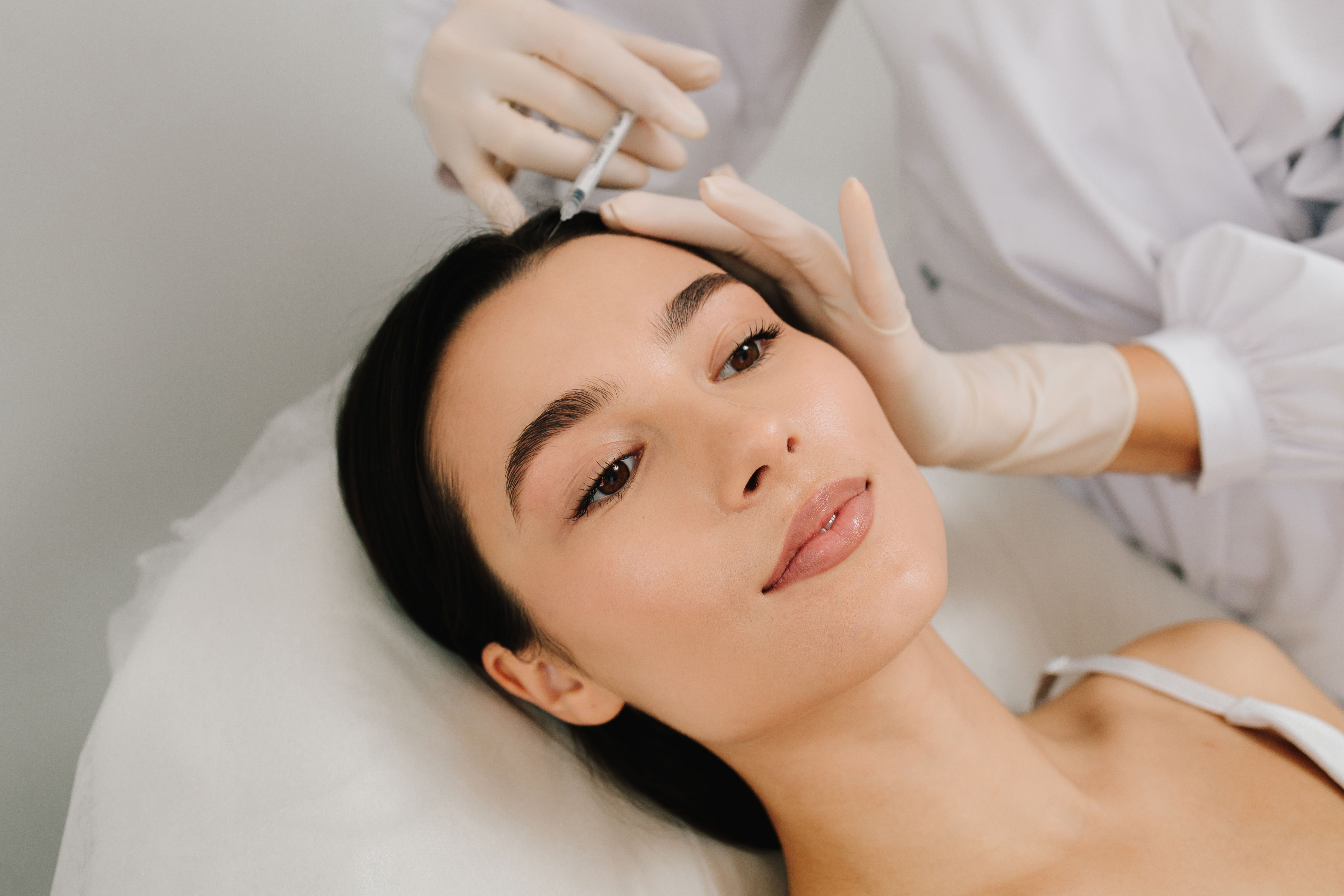
The Science Behind Peptides
Peptides function as messengers within the skin, sending signals to cells to perform specific tasks. This can include triggering collagen production, reducing inflammation, or even stimulating the healing process. The body naturally produces peptides, but as we age, their production decreases, leading to signs of aging such as wrinkles and sagging skin.
Incorporating peptides into aesthetic devices allows for targeted treatments, enhancing the skin's natural processes. These devices can deliver peptides deep into the skin, ensuring maximum efficacy and visible results.

Types of Peptides Used in Aesthetic Devices
There are various types of peptides used in medical aesthetic devices, each with unique properties and benefits:
- Signal Peptides: These stimulate collagen production and can help reduce wrinkles and improve elasticity.
- Carrier Peptides: They deliver trace elements, such as copper, to the skin, which aids in wound healing and repair.
- Neuropeptides: These work by blocking neurotransmitters that cause muscle contraction, similar to the effects of Botox, but without the need for injections.
Each type of peptide targets specific skin concerns, allowing for customized treatment plans that cater to individual needs.
Benefits of Peptides in Aesthetic Treatments
The inclusion of peptides in medical aesthetic devices offers numerous benefits:
- Non-Invasive Solutions: Peptides enable non-invasive treatment options, eliminating the need for surgery or injections.
- Targeted Treatment: Devices can deliver peptides directly to problem areas, ensuring precise results.
- Reduced Side Effects: Unlike some traditional treatments, peptide-based therapies typically have minimal side effects.
Choosing the Right Device
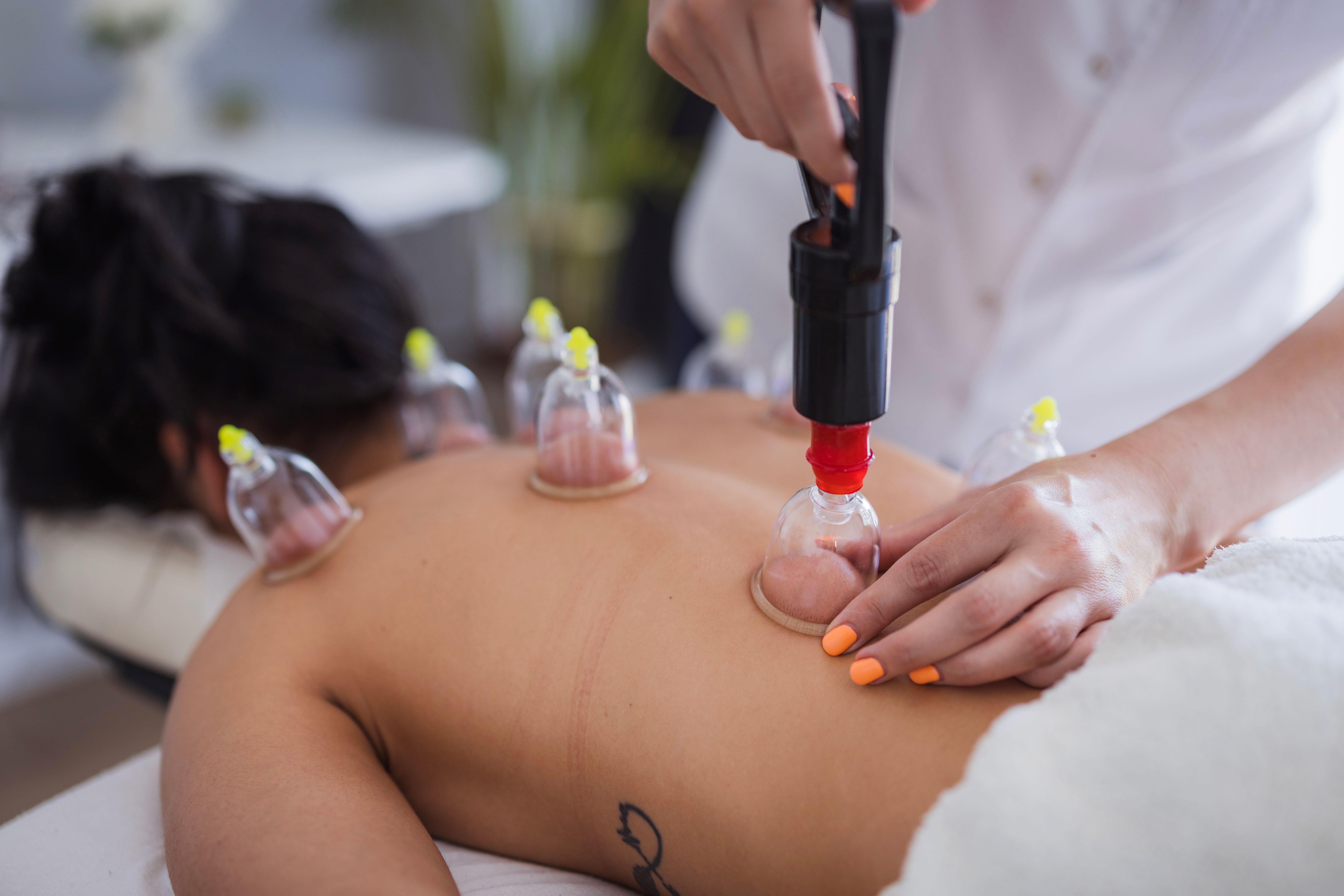
When selecting a medical aesthetic device that utilizes peptides, consider factors such as the type of peptides used, the device's technology, and the specific skin concerns you wish to address. Consulting with a skincare professional can also provide valuable insights and recommendations tailored to your individual needs.
As technology continues to advance, the integration of peptides in aesthetic devices is set to revolutionize how we approach skincare, offering effective and efficient solutions for a variety of concerns.