The Ultimate Guide to GLP in Medical Aesthetic Devices
pe
Understanding GLP in Medical Aesthetic Devices
Good Laboratory Practice (GLP) is a critical component when it comes to the development and regulation of medical aesthetic devices. Ensuring that these devices meet specific safety and efficacy standards is essential for protecting consumers and maintaining the integrity of the industry.
GLP encompasses a set of principles designed to ensure the quality and reliability of safety data. This practice not only supports regulatory compliance but also enhances consumer trust in aesthetic products.

Key Components of GLP
GLP involves several key components that manufacturers must adhere to. These include proper documentation, personnel training, and standard operating procedures (SOPs). By following these guidelines, companies can minimize errors and enhance the reproducibility of their test results.
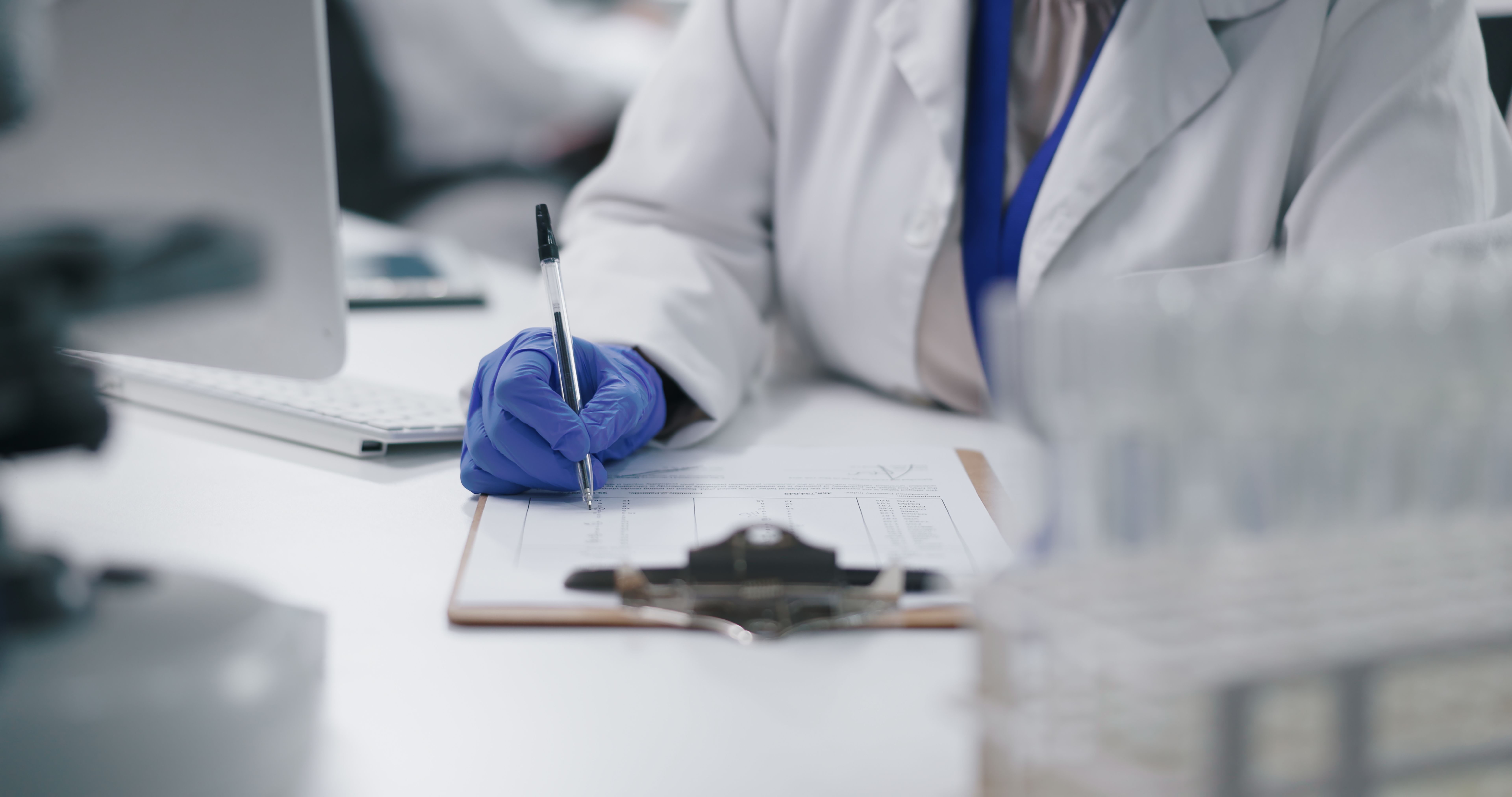
Documentation is crucial in GLP, as it provides a clear record of the testing process and results. This transparency is essential for audits and evaluations.
The Importance of GLP in Device Development
In the realm of medical aesthetics, GLP plays a significant role in the development of new devices. It ensures that devices are tested rigorously before reaching the market, protecting consumers from potential harm.
GLP also facilitates innovation by providing a structured framework for testing. This systematic approach helps researchers and developers create safer and more effective products.

Regulatory Compliance
Compliance with GLP is often a prerequisite for regulatory approval. Regulatory bodies, such as the FDA in the United States, require that data submitted for approval is generated in a GLP-compliant environment.
Failure to adhere to these guidelines can lead to delays in product approval and increase the risk of non-compliance penalties.
Challenges and Solutions
While implementing GLP can be challenging, there are strategies to overcome these hurdles. One common challenge is the cost associated with establishing GLP-compliant facilities. However, investing in these facilities can ultimately save time and resources by reducing errors and preventing costly recalls.
Another challenge is maintaining staff training and compliance. Regular training sessions and audits can help ensure that all personnel are up-to-date with the latest GLP standards.
The Future of GLP in Aesthetic Devices
As technology advances, the importance of GLP in the medical aesthetic industry is likely to grow. New and innovative devices will continue to emerge, making it imperative for companies to remain vigilant in their adherence to GLP standards.
By maintaining rigorous GLP compliance, companies can not only meet regulatory requirements but also enhance their reputation and consumer trust.

In summary, GLP is an essential practice in the development and regulation of medical aesthetic devices. By understanding and implementing these guidelines, manufacturers can ensure the safety and efficacy of their products, ultimately benefiting both the industry and consumers.