Solon Spotlight: Understanding Local Regulations for Aesthetic Devices
pe
As the aesthetic industry continues to grow, understanding local regulations for aesthetic devices has become increasingly important for professionals in the field. Whether you're a seasoned practitioner or new to the industry, staying informed about these regulations is crucial for ensuring compliance and maintaining high standards of care.
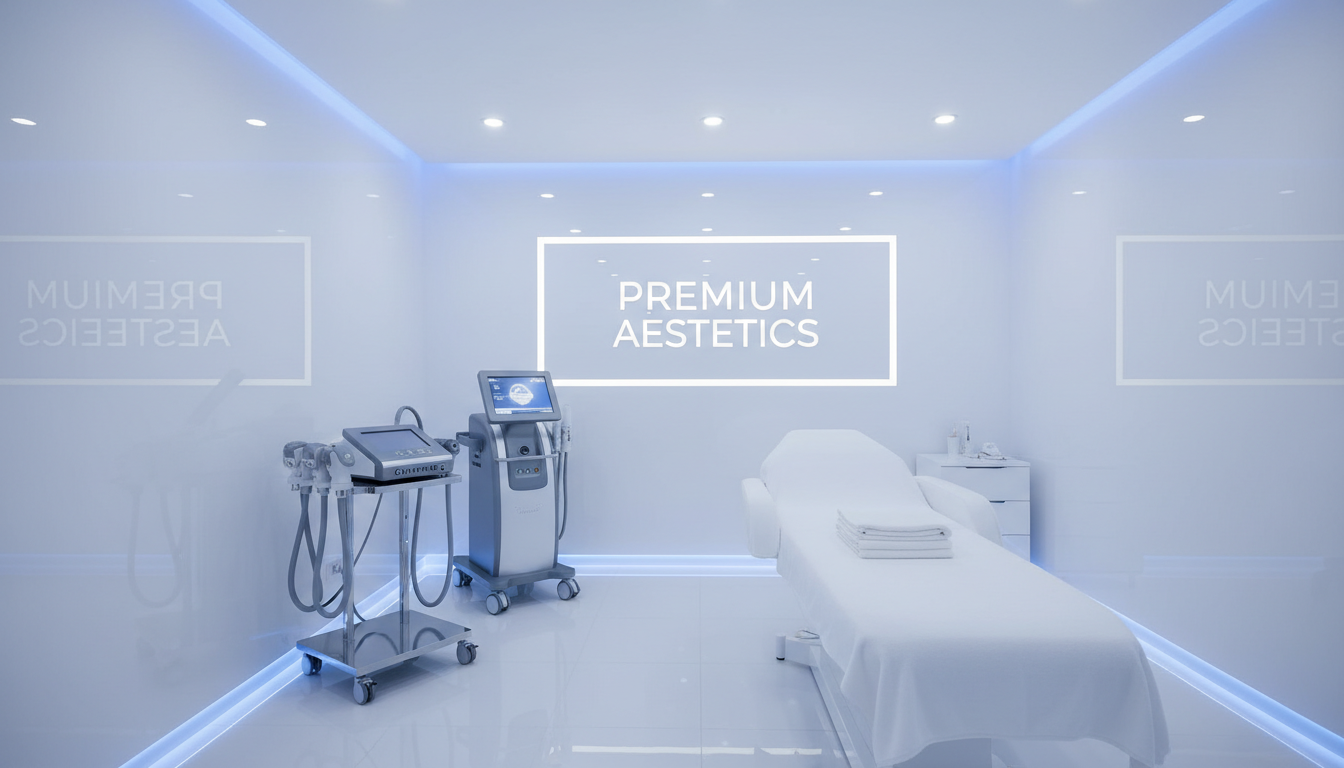
Why Local Regulations Matter
Local regulations are designed to protect both practitioners and clients by ensuring that aesthetic devices are used safely and effectively. These regulations can vary significantly depending on the region, making it essential for professionals to be aware of the specific rules in their area.
Failure to comply with local regulations can result in penalties, legal issues, and damage to your professional reputation. Therefore, understanding and adhering to these rules not only helps in avoiding legal troubles but also builds trust with your clients.
Types of Aesthetic Devices
Aesthetic devices encompass a wide range of equipment used in cosmetic and dermatological treatments. Some common types include:
- Laser devices
- Radiofrequency machines
- Ultrasound equipment
- LED light therapy devices
Each type of device may be subject to different regulations, which can affect how they are used in practice.
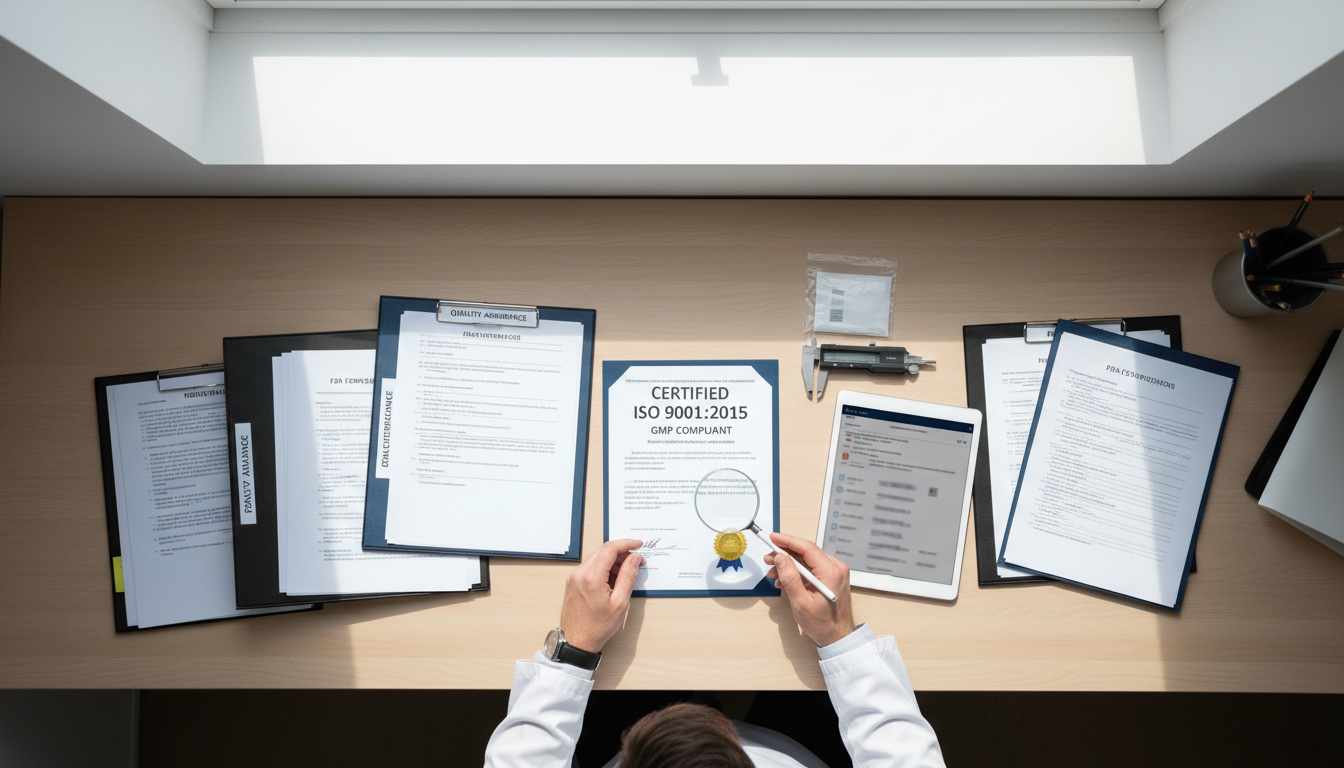
Navigating Regulatory Bodies
Understanding which regulatory bodies oversee aesthetic devices in your area is a key aspect of compliance. In many regions, health departments or specific medical boards are responsible for setting and enforcing these regulations.
It's advisable to regularly check updates from these bodies, as regulations can change. Staying informed will ensure that your practice remains in good standing and continues to operate legally.
Training and Certification Requirements
Many regions require practitioners to undergo specific training and obtain certifications before operating certain aesthetic devices. This ensures that all users have the necessary knowledge and skills to use the equipment safely.
- Research the required certifications for your devices.
- Ensure all staff members are properly trained.
- Keep records of all certifications and training sessions.

Best Practices for Compliance
Adopting best practices for compliance can help maintain the highest standards in your practice. Here are some tips:
- Regularly review and update your knowledge of local regulations.
- Implement a compliance plan that includes regular audits and checks.
- Engage with professional organizations for guidance and support.
By prioritizing compliance, you not only safeguard your practice but also enhance the quality of care provided to your clients.
In conclusion, understanding and adhering to local regulations for aesthetic devices is fundamental to the success and integrity of your practice. By staying informed and proactive, you can ensure that your business operates smoothly and continues to thrive in the ever-evolving aesthetic industry.