Myths About Peptides in Aesthetics: What You Need to Know
pe
Understanding Peptides in Aesthetics
Peptides have become a buzzword in the world of aesthetics, promising youthful skin and enhanced beauty. However, many myths surround their use, leading to confusion and misconceptions. This blog post aims to debunk these myths and provide a clear understanding of what peptides can and cannot do.
Myth 1: Peptides Are the Same as Proteins
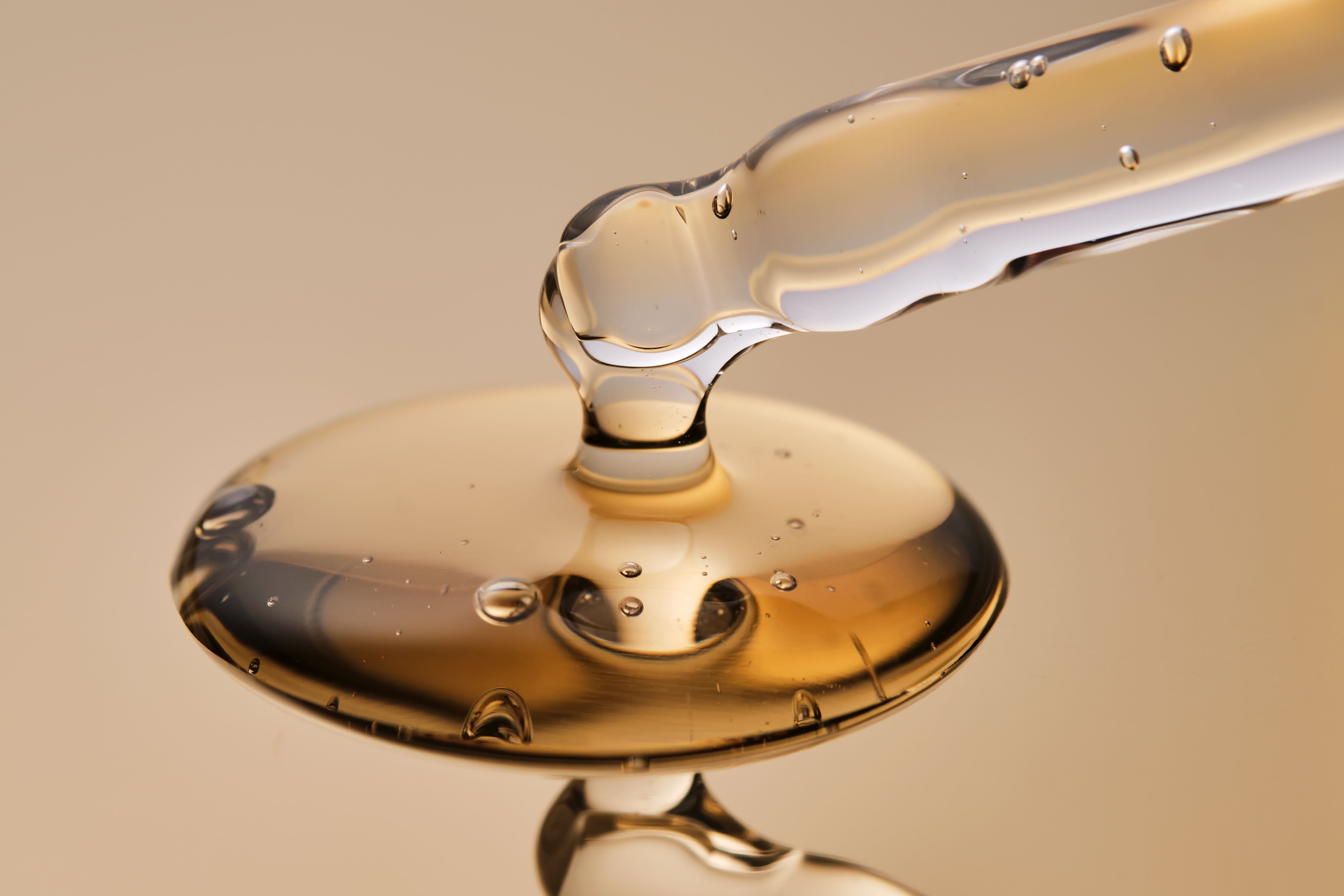
One common misconception is that peptides and proteins are identical. While both are made of amino acids, peptides are smaller chains, consisting of 2 to 50 amino acids, whereas proteins are more extensive structures. This difference in size allows peptides to penetrate the skin more easily, making them ideal for topical treatments in skincare.
Myth 2: Peptides Can Replace Botox
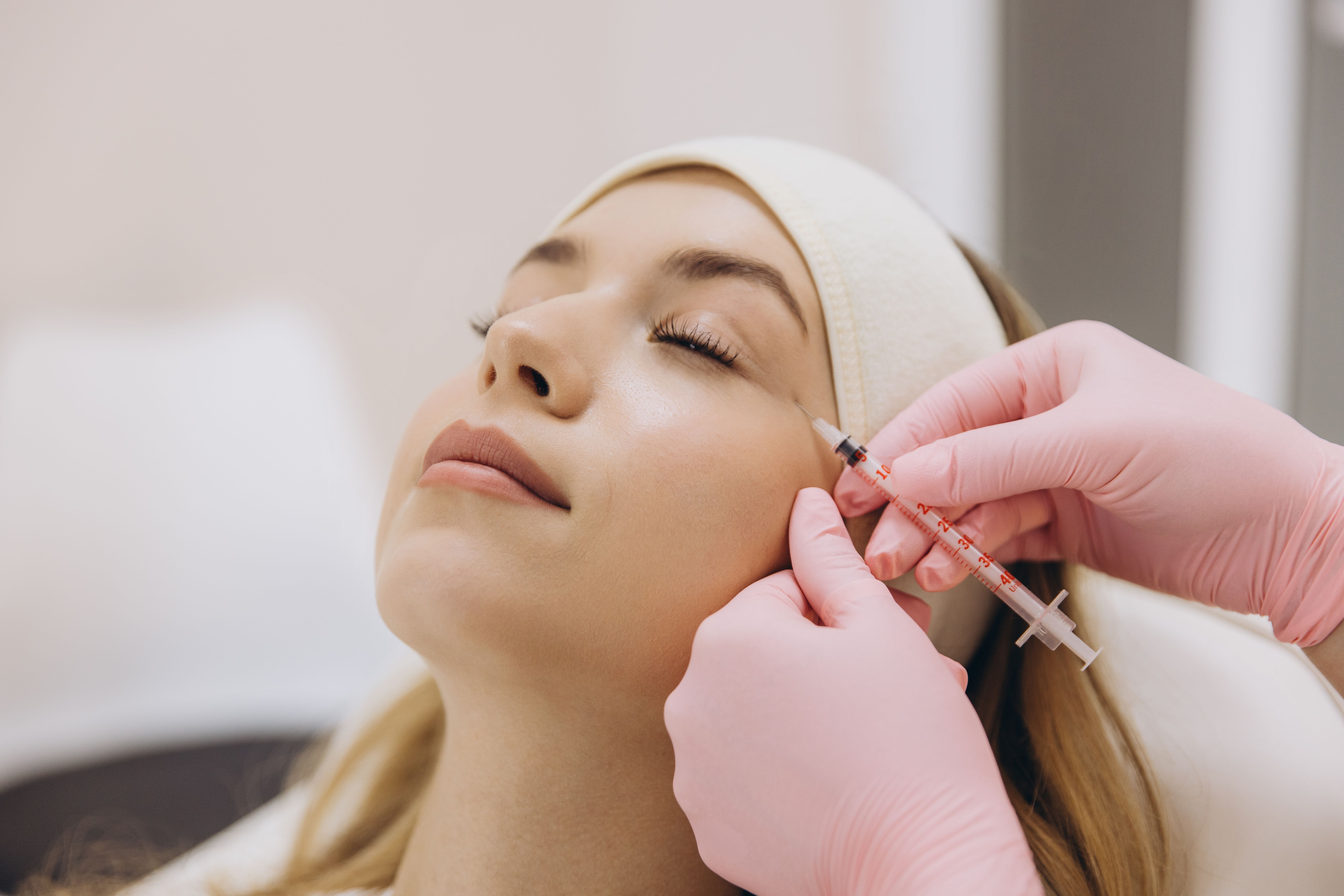
While peptides offer numerous benefits, claiming they can replace Botox is misleading. Botox works by temporarily paralyzing muscles to reduce wrinkles, whereas peptides enhance collagen production and improve skin texture. While both can contribute to a youthful appearance, they function differently and serve unique purposes.
Myth 3: All Peptides Are the Same
Not all peptides are created equal. There are various types, each serving a distinct role in skincare. Some peptides focus on collagen production, while others may aid in wound healing or reduce inflammation. Understanding the specific function of each peptide type is crucial for achieving desired results.
How Peptides Work in Skincare
Peptides communicate with skin cells, sending signals to boost collagen production and improve elasticity. This communication helps in repairing damaged skin and combating signs of aging. However, it's essential to recognize that not all products containing peptides will deliver the same results, as formulation and concentration play significant roles.
Myth 4: Immediate Results Are Guaranteed
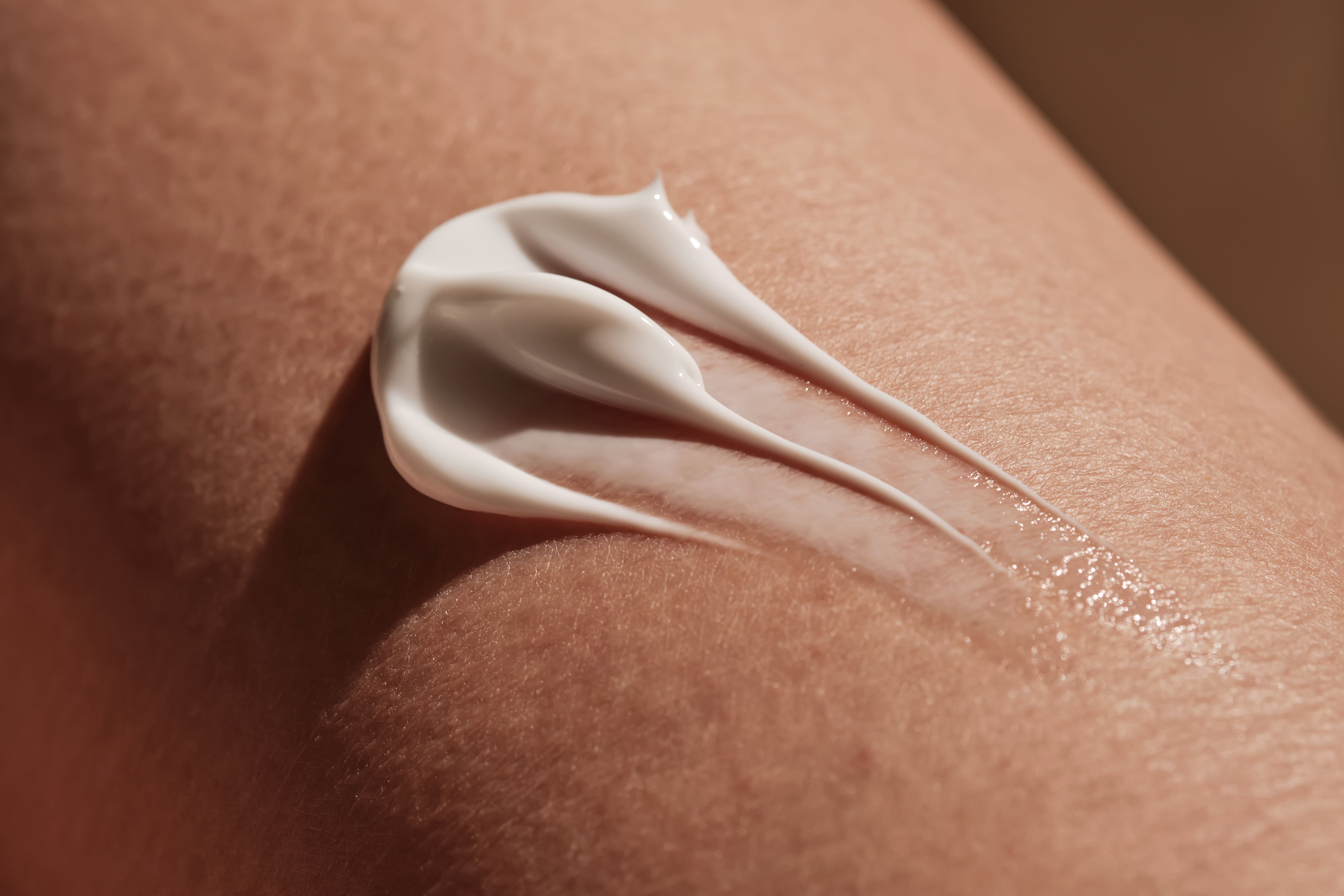
Another myth is that peptides provide instant results. While some effects can be noticed relatively quickly, such as improved hydration, other benefits like increased collagen production take time. Regular use over weeks or months is necessary to witness significant improvements in skin texture and firmness.
Myth 5: Peptides Are Only Beneficial for Aging Skin
Peptides are often associated with anti-aging, but they offer benefits beyond wrinkle reduction. They can help with skin hydration, barrier repair, and even acne management. This versatility makes them suitable for a wide range of skin concerns, not just aging.
Choosing the Right Peptide Products
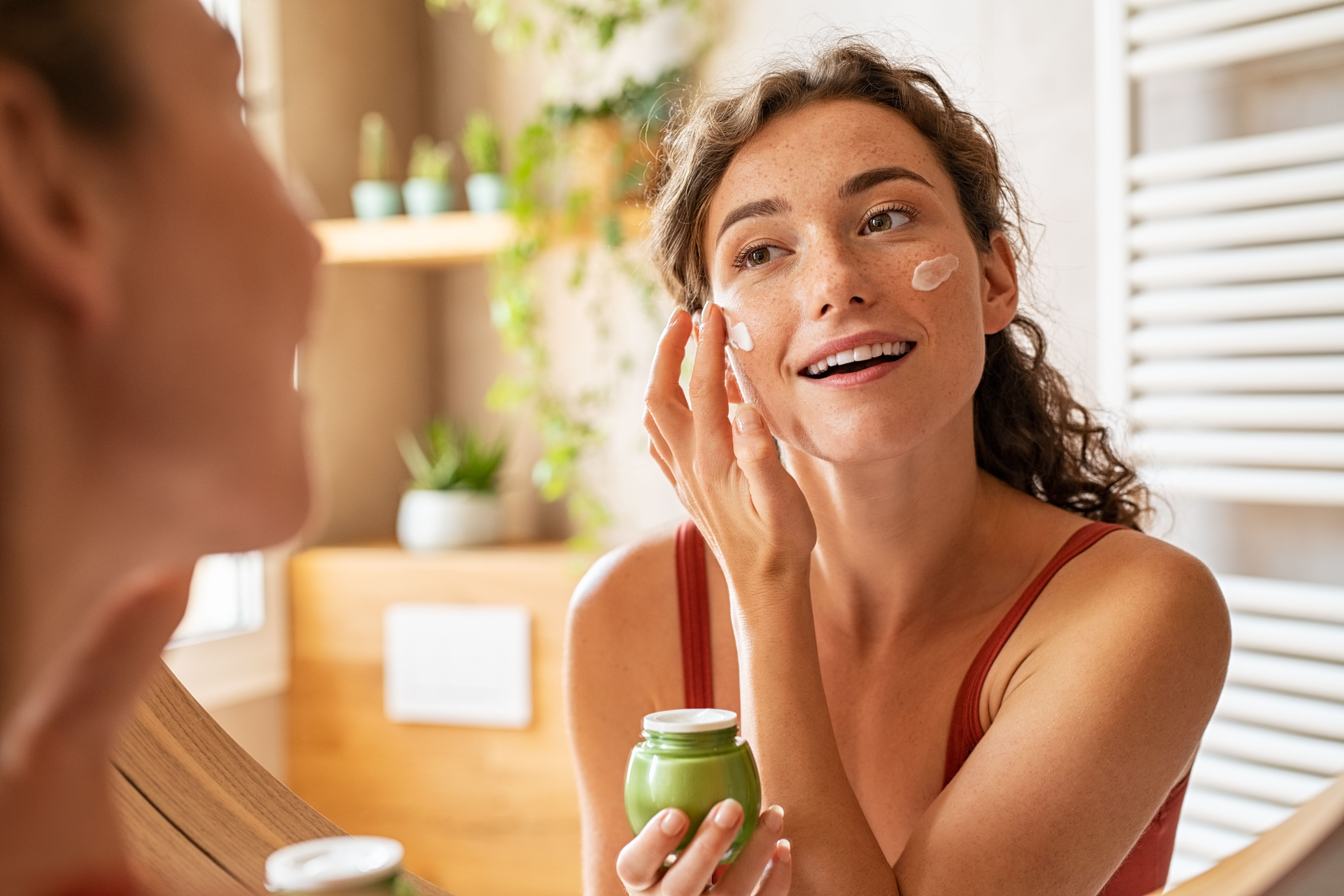
When selecting peptide-based products, it's essential to consider the formulation. Products with a higher concentration of peptides and those combined with complementary ingredients like hyaluronic acid or antioxidants may offer better results. Consulting with a skincare professional can also provide personalized recommendations based on individual skin needs.
In conclusion, understanding the truths behind these common myths can help you make informed decisions about incorporating peptides into your skincare routine. By setting realistic expectations and choosing quality products, you can harness the full potential of peptides in aesthetics.