How Peptides Enhance Skin Treatments: A Deep Dive
pe
Understanding Peptides
Peptides are short chains of amino acids, which are the building blocks of proteins. In skin care, they play a crucial role in stimulating the production of collagen, elastin, and other key proteins that maintain skin health. By mimicking the body's natural processes, peptides can effectively enhance skin treatments, leading to a more youthful and radiant appearance.
The Role of Peptides in Skin Health
One of the primary benefits of peptides is their ability to boost collagen production. Collagen is essential for maintaining skin elasticity and firmness. As we age, collagen production decreases, leading to wrinkles and sagging skin. Peptides help to counteract these effects by encouraging the skin to produce more collagen, resulting in a firmer and smoother complexion.
In addition to collagen production, peptides have anti-inflammatory properties. They can help soothe irritated skin, reduce redness, and support the skin's natural healing processes. This makes them particularly beneficial for individuals with sensitive or inflamed skin conditions.
Types of Peptides in Skin Care
There are several types of peptides used in skin care, each with unique benefits:
- Signal Peptides: These peptides send signals to the skin to produce more collagen and elastin.
- Carrier Peptides: These facilitate the delivery of essential trace elements to the skin, enhancing skin repair and health.
- Enzyme Inhibitor Peptides: These prevent the breakdown of collagen by inhibiting enzymes that degrade collagen.
Integrating Peptides into Your Routine
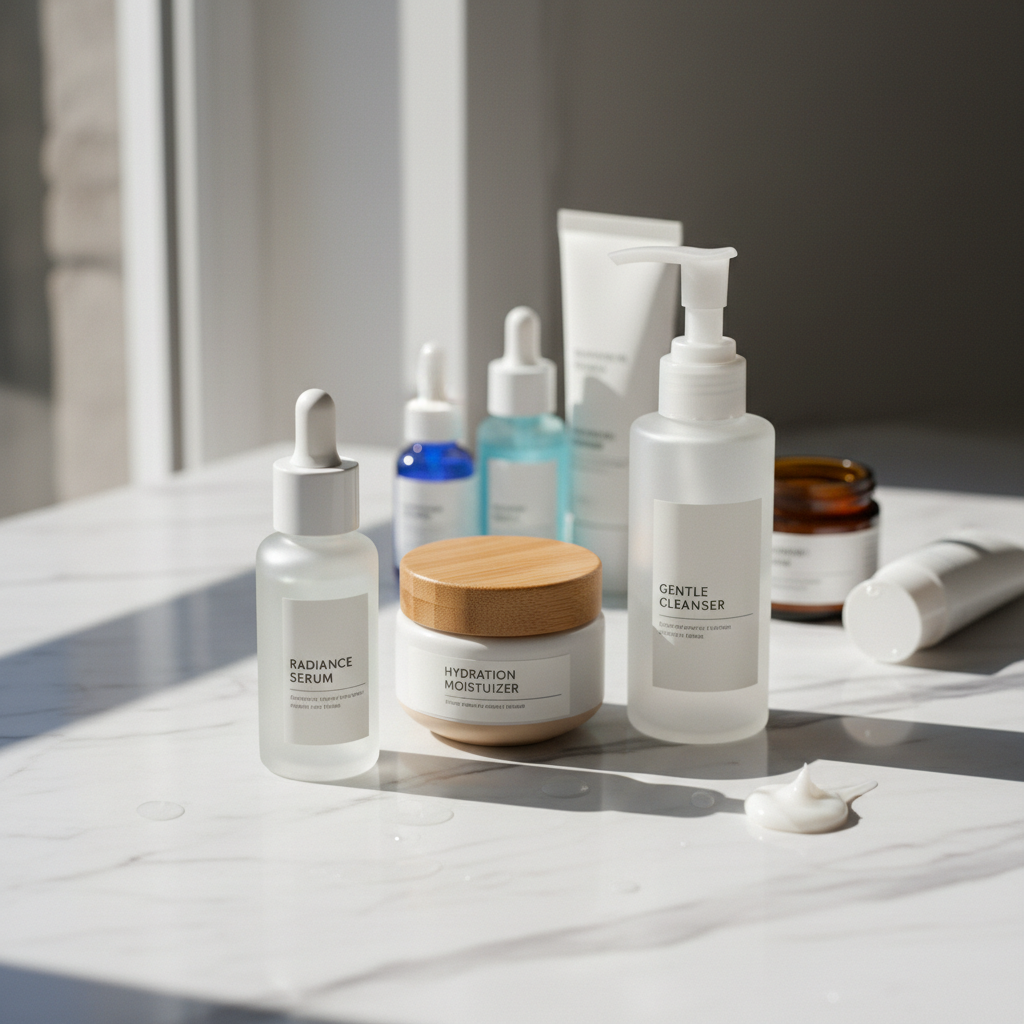
Incorporating peptides into your skin care routine can be simple and effective. Peptide-infused serums and creams are widely available and can be used both morning and night. For best results, apply peptide products after cleansing and before moisturizing, allowing the skin to absorb the active ingredients fully.
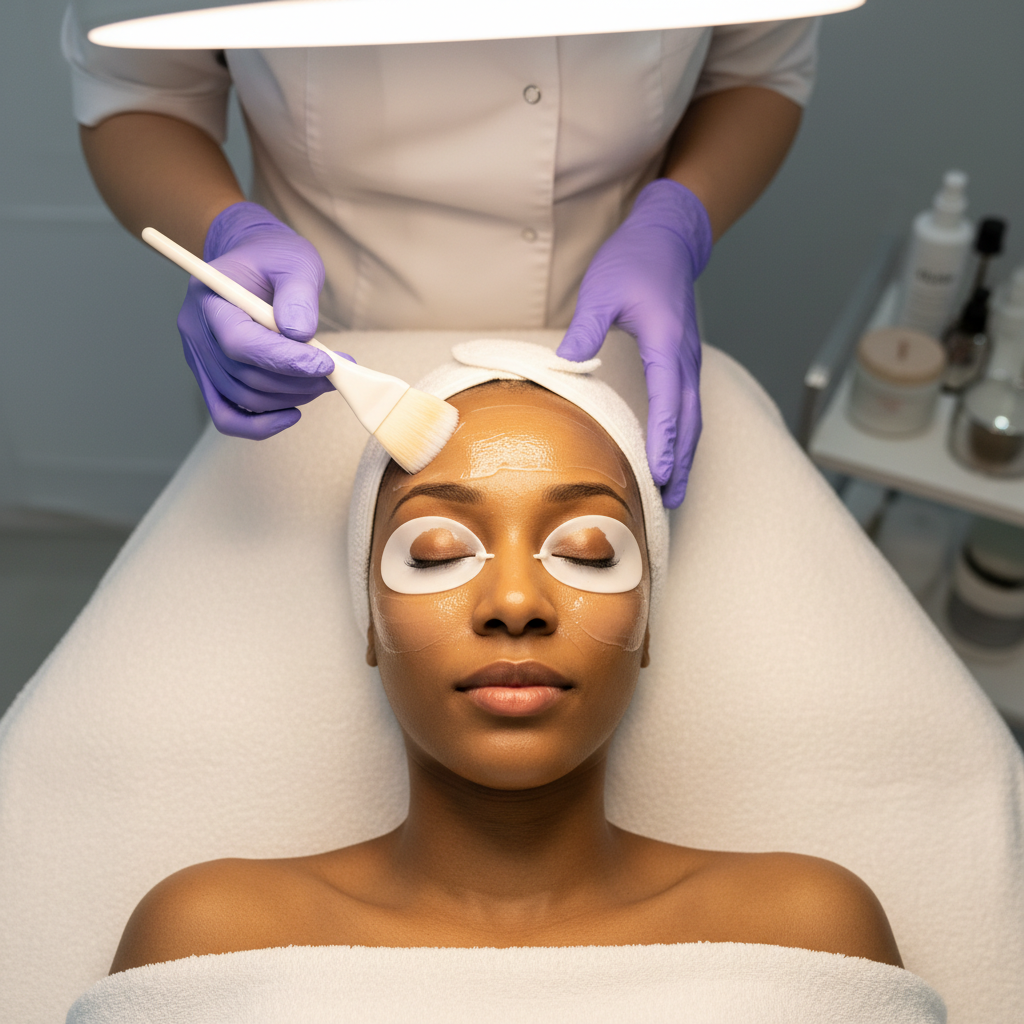
For those seeking targeted treatments, peptide masks and eye creams can provide additional benefits, particularly in areas prone to fine lines and wrinkles. Regular use can lead to visible improvements in skin texture and tone.
Peptides and Other Active Ingredients
Peptides work well alongside other active ingredients such as hyaluronic acid, vitamin C, and retinoids. When used together, these ingredients can create a synergistic effect, amplifying their individual benefits. For example, hyaluronic acid can boost hydration levels, enhancing the plumping effect of peptides, while vitamin C can improve skin brightness and even tone.
Choosing the Right Peptide Products
When selecting peptide products, consider your specific skin concerns and goals. Look for products with clinically proven formulations and those that match your skin type. Consulting with a dermatologist can also provide personalized recommendations tailored to your needs.
It's important to note that while peptides offer significant benefits, results may vary based on factors such as skin type, age, and the consistency of use. Patience and regular application are key to achieving the best outcomes.
Conclusion
Incorporating peptides into your skin care routine can enhance the effectiveness of treatments, promoting healthier, younger-looking skin. By understanding the different types of peptides and how they function, you can make informed choices and personalize your skin care regimen to meet your unique needs. As with any skin care ingredient, consistency and proper use are crucial for achieving long-lasting results.