GLP and Peptides: Essential Innovations in Medical Aesthetics
pe
The world of medical aesthetics is constantly evolving, with innovations that promise more effective and safer treatments. Among these advancements, GLP (Good Laboratory Practice) and peptides are at the forefront, offering new possibilities for enhancing skin health and appearance.
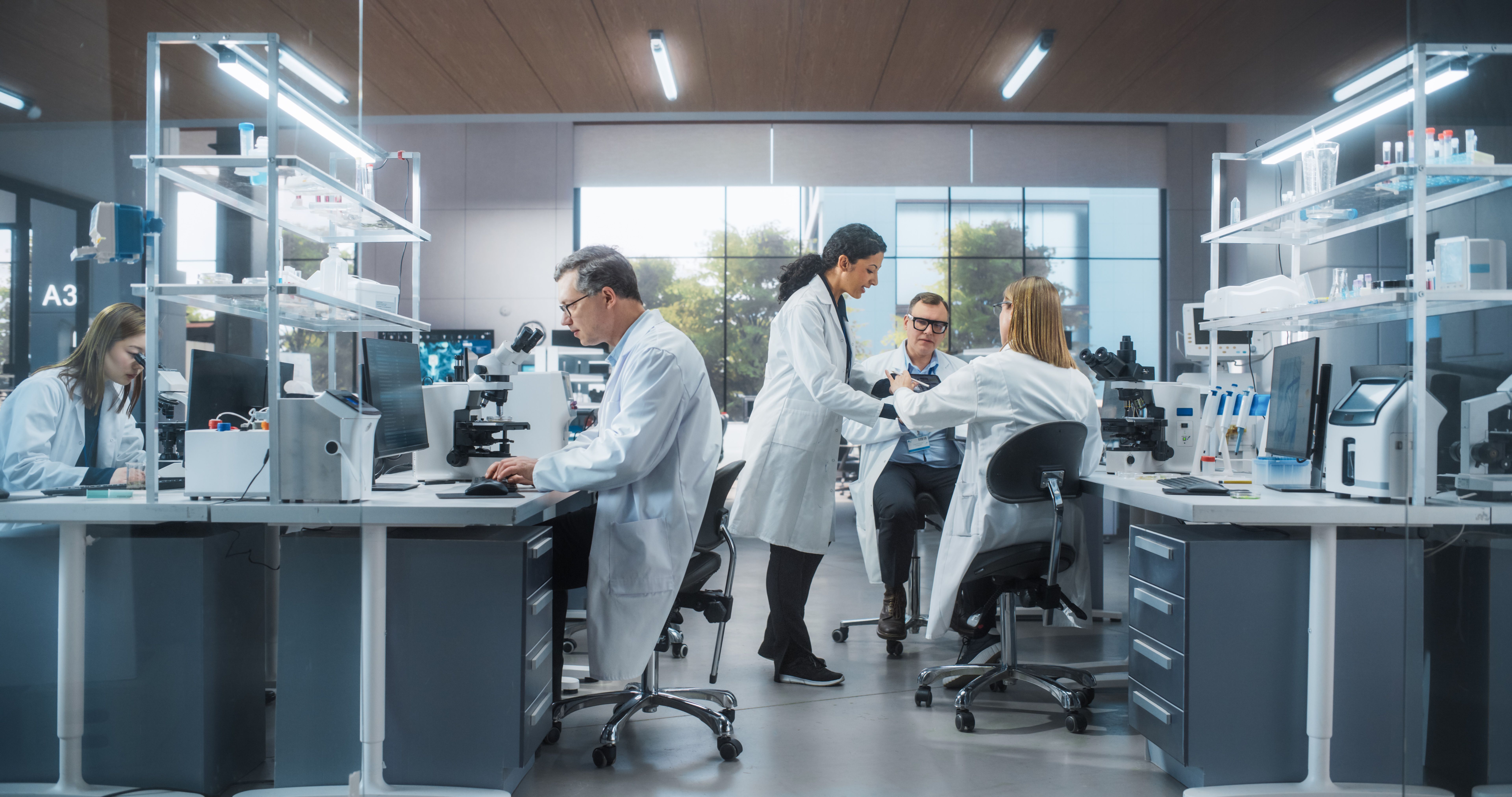
GLP ensures that the development and testing of cosmetic treatments meet rigorous standards. This regulatory framework helps guarantee that products are safe and effective for consumers. By adhering to GLP, companies can maintain high-quality standards, which is crucial in the sensitive field of medical aesthetics.
Understanding Peptides
Peptides are short chains of amino acids that act as building blocks of proteins such as collagen and elastin, which are vital for maintaining skin's firmness and elasticity. In recent years, peptides have become a popular ingredient in skincare due to their ability to stimulate collagen production and improve skin texture.
By incorporating peptides into skincare products, manufacturers can offer solutions that target specific skin concerns, such as wrinkles, fine lines, and loss of firmness. These powerful molecules work by sending signals to skin cells, encouraging them to perform functions that support youthful skin.
The Role of Peptides in Anti-Aging
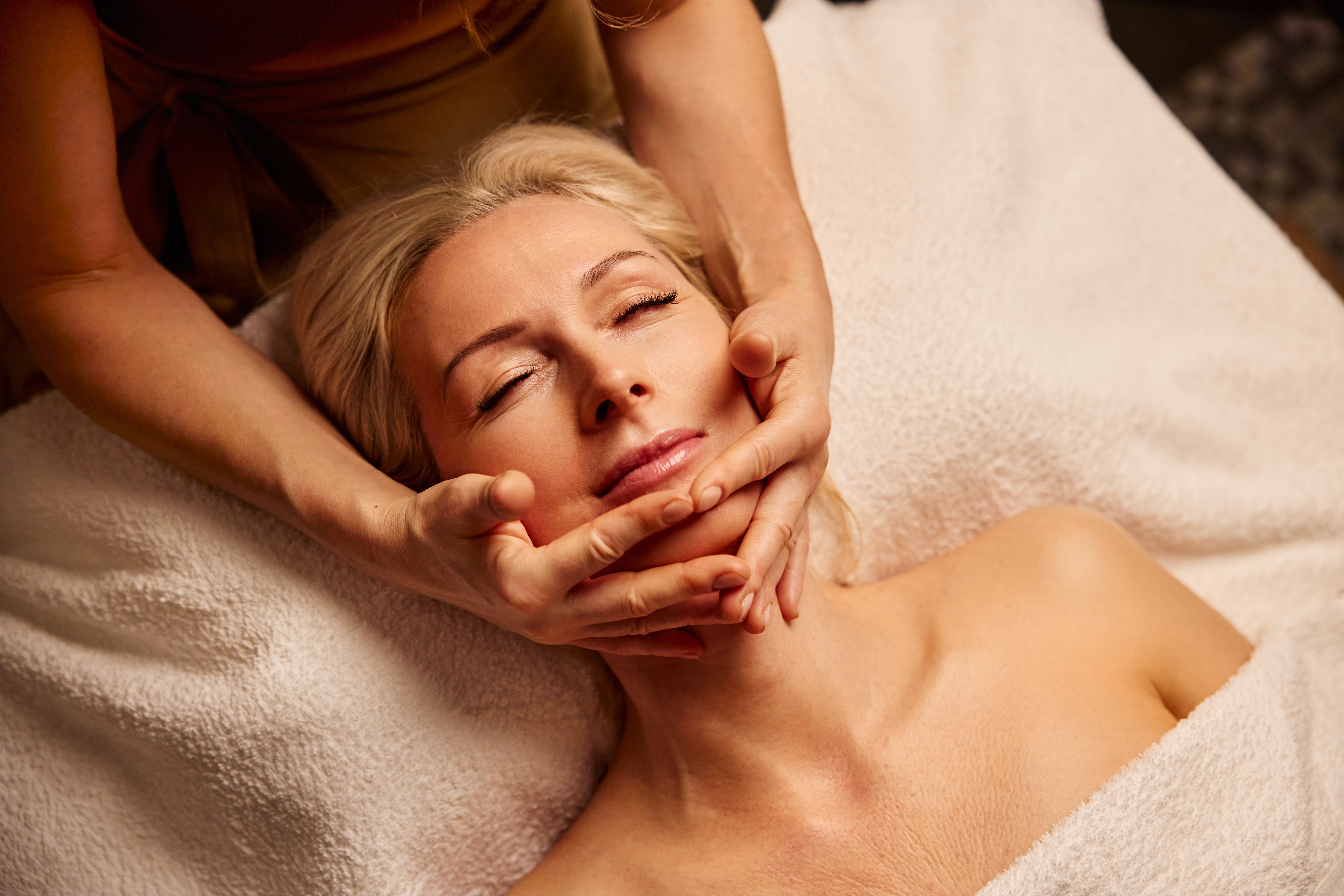
Peptides are particularly valued for their anti-aging benefits. They can help reduce the appearance of wrinkles by boosting collagen production, which is essential for maintaining skin structure. Additionally, peptides aid in repairing damaged skin, making them a versatile component in anti-aging treatments.
GLP's Importance in Peptide Development
GLP plays a crucial role in the research and development of peptide-based treatments. By ensuring that testing procedures are consistent and reliable, GLP helps in the creation of safe and effective products. This rigorous approach is essential for gaining consumer trust and achieving regulatory approval.
With GLP, researchers can conduct studies that provide accurate and reproducible results, paving the way for innovations in peptide technology. This contributes to developing new formulations that address a variety of skin concerns effectively.
Future Innovations in Medical Aesthetics
Looking ahead, the combination of GLP and peptides promises exciting advancements in medical aesthetics. Researchers are continually exploring new peptide combinations to target specific skin issues more precisely. These developments hold the potential to revolutionize skincare by offering personalized solutions that cater to individual needs.

Moreover, as technology advances, we can expect to see even more sophisticated peptide formulations that deliver enhanced results. These innovations will likely lead to more effective treatments with minimal side effects, providing consumers with greater confidence in their skincare choices.
In conclusion, GLP and peptides represent essential innovations in the field of medical aesthetics. By ensuring the safety and efficacy of skincare products, these advancements are paving the way for more effective and personalized treatments, ultimately enhancing the way we care for our skin.