Expert Insights: The Role of Peptides in Skin Health
pe
Understanding Peptides
Peptides are short chains of amino acids, which are the building blocks of proteins. In the realm of skincare, peptides play a crucial role in maintaining skin health and vitality. They act as messengers, sending signals to your cells to perform specific functions, such as boosting collagen production or improving elasticity.
When included in skincare products, peptides can help to reduce the appearance of fine lines and wrinkles, enhance skin texture, and promote a youthful glow. Their ability to communicate with skin cells makes them a powerful component in anti-aging treatments.
How Peptides Work
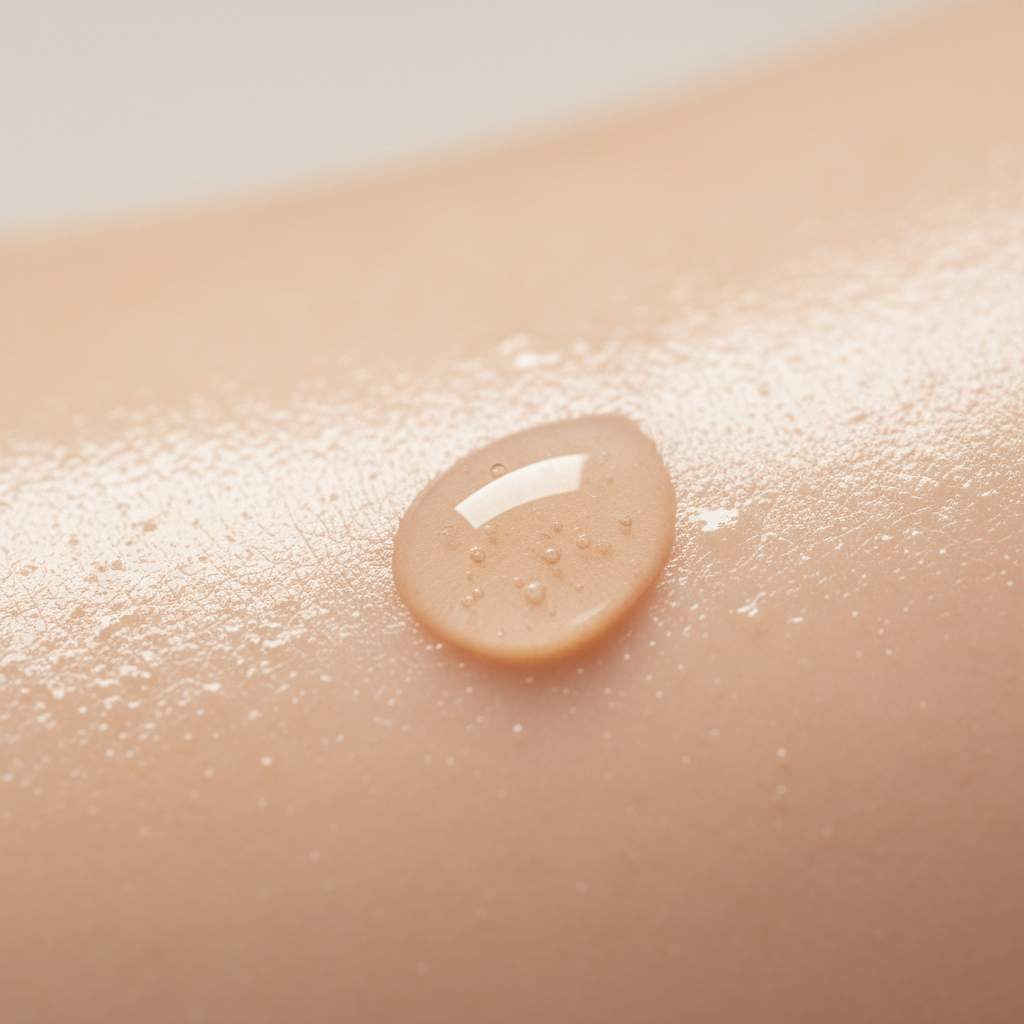
The magic of peptides lies in their ability to penetrate the skin's protective barriers. Unlike larger molecules, peptides are small enough to reach deeper layers, where they can influence cellular activity. This penetration is key to their effectiveness in stimulating collagen synthesis and improving skin resilience.
Collagen is a critical protein that provides structure to the skin. As we age, collagen production naturally decreases, leading to sagging and wrinkles. Peptides help counteract this process by encouraging the skin to produce more collagen, resulting in firmer, smoother skin.
Types of Peptides in Skincare
There are several types of peptides used in skincare, each with distinct benefits:
- Signal Peptides: These peptides stimulate collagen production and are essential for maintaining skin structure.
- Carrier Peptides: They deliver trace elements like copper to the skin, promoting wound healing and cellular regeneration.
- Inhibitor Peptides: These work by relaxing facial muscles, reducing the formation of expression lines.
Benefits of Peptides
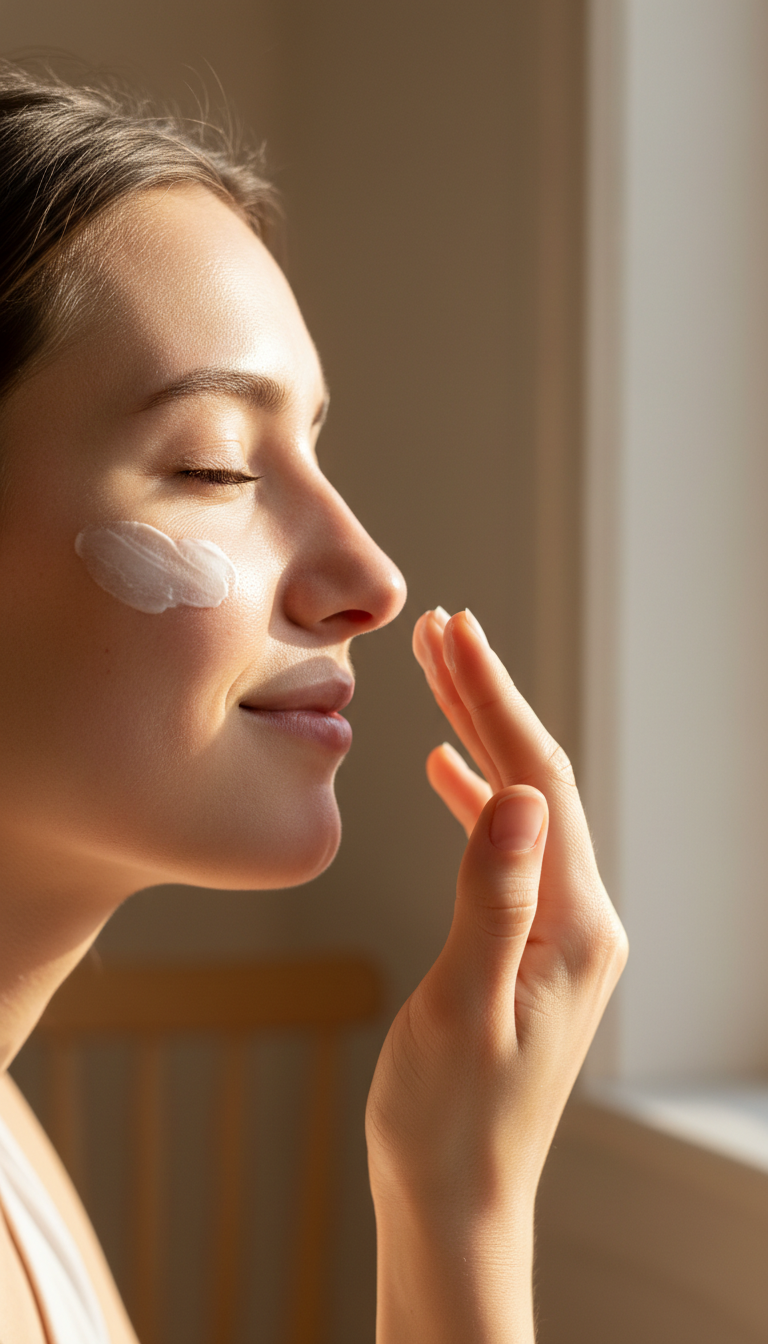
Incorporating peptides into your skincare routine can offer a range of benefits. They are known for their ability to enhance skin barrier function, which helps retain moisture and protect against environmental damage. By improving hydration, peptides can make the skin appear plumper and more radiant.
Additionally, peptides have anti-inflammatory properties that can soothe irritated skin and reduce redness. This makes them a suitable option for those with sensitive skin or conditions like rosacea.
Choosing the Right Peptide Products
When selecting peptide-based skincare products, it's important to look for formulations that suit your specific skin needs. Whether you are targeting anti-aging, hydration, or skin repair, there is likely a peptide product designed for your goals.
Consult with a dermatologist or skincare expert to identify the best peptide ingredients and products for your skin type. Always patch-test new products to ensure compatibility and avoid potential irritation.

Conclusion
Peptides are a powerful tool in the quest for healthy, youthful skin. By understanding their function and benefits, you can make informed choices about incorporating them into your skincare routine. From boosting collagen to improving hydration, peptides offer a versatile solution for various skin concerns.
As research continues to advance, the potential applications of peptides in skincare will likely expand, offering even more opportunities to enhance skin health and appearance.