Common Misconceptions About Peptides in Aesthetic Treatments
pe
Understanding Peptides in Aesthetic Treatments
Peptides have become a buzzword in the world of skincare and aesthetic treatments, but there's a lot of confusion surrounding their use and effectiveness. In this blog post, we aim to clear up some of the most common misconceptions about peptides and their role in enhancing beauty and health.
What Are Peptides?
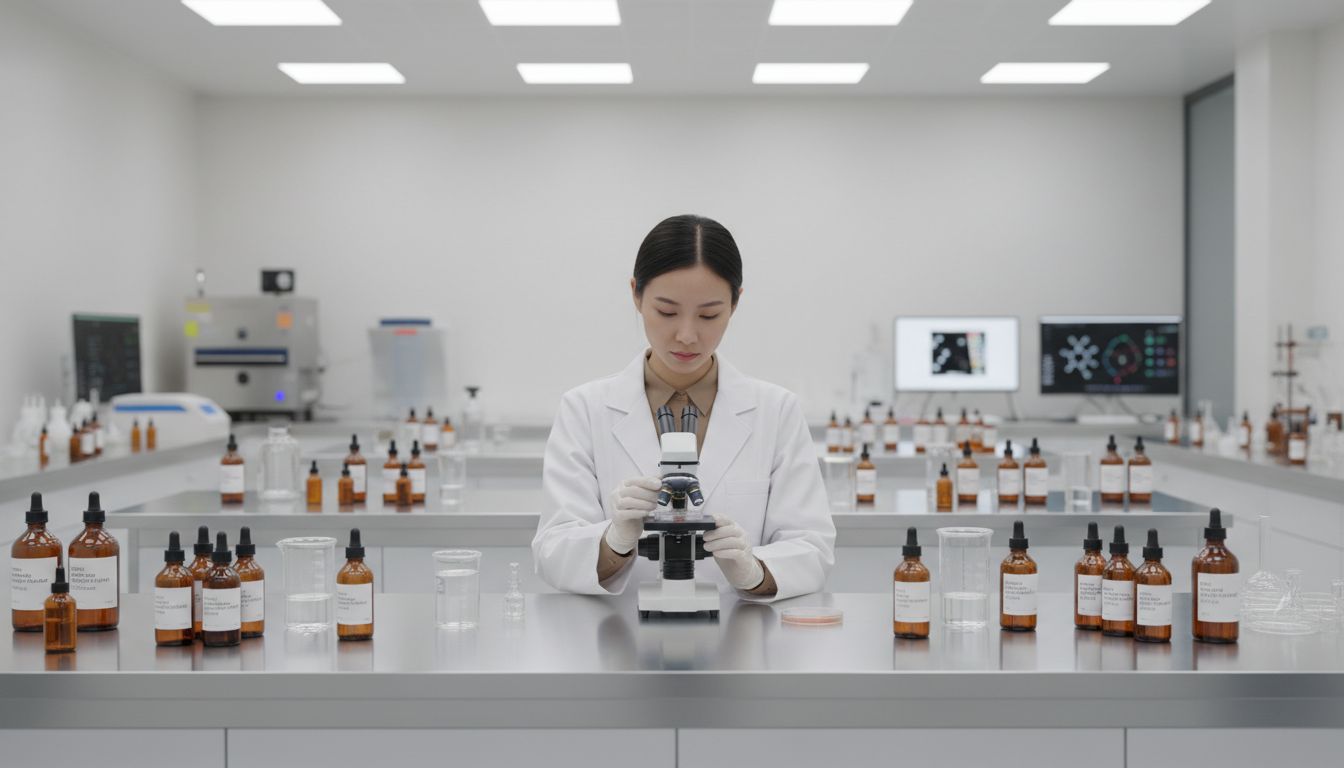
Peptides are short chains of amino acids that serve as the building blocks of proteins. They are essential for various bodily functions, including skin repair and regeneration. In the realm of aesthetics, peptides are celebrated for their ability to stimulate collagen production, leading to firmer and more youthful-looking skin.
Despite their benefits, many people misunderstand what peptides can and cannot do. Let's explore some of these misconceptions.
Misconception 1: Peptides Are Miracle Cures
One of the most common misconceptions is that peptides are miracle cures for all skin issues. While peptides are powerful, they are not a one-size-fits-all solution. They work best when combined with other skincare ingredients and healthy lifestyle choices. Peptides are part of a comprehensive skincare regimen, not the sole answer to achieving perfect skin.

Misconception 2: All Peptides Are the Same
Another misunderstanding is that all peptides have the same effects. In reality, there are various types of peptides, each with specific functions. For instance, some peptides focus on collagen production, while others might target skin hydration or pigmentation. Understanding the specific type of peptide in a product is crucial for achieving desired results.
- Collagen-stimulating peptides help improve skin firmness.
- Signal peptides can communicate with cells to boost repair mechanisms.
- Carrier peptides deliver trace elements like copper to skin cells.
Misconception 3: Immediate Results
Many people expect instant results from peptide treatments, which leads to disappointment. Peptides work gradually by promoting natural processes within the skin. It often takes several weeks or even months to notice significant improvements. Patience and consistency are key when using peptide-based products.
Misconception 4: Peptides Are Only for Aging Skin
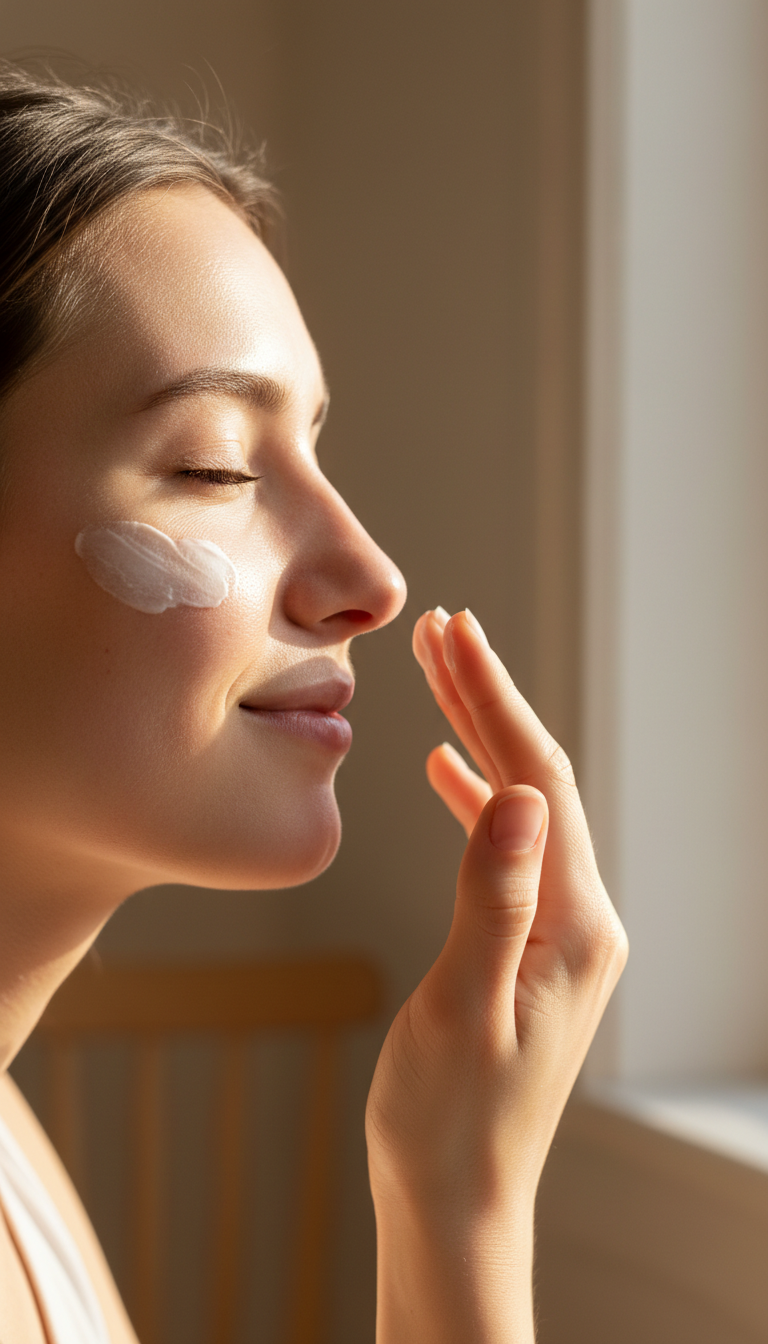
While peptides are renowned for their anti-aging properties, they are not exclusively for mature skin. Peptides can benefit people of all ages by enhancing skin barrier function, reducing inflammation, and promoting overall skin health. Younger individuals can use peptides to prevent early signs of aging and maintain a healthy complexion.
Incorporating peptides into your skincare routine can be beneficial at any age, but understanding their role and setting realistic expectations is essential. By dispelling these common misconceptions, you can make more informed choices and harness the true potential of peptides in aesthetic treatments.