A Comprehensive Guide to Peptides in Medical Aesthetics
pe
Understanding Peptides in Medical Aesthetics
In recent years, peptides have become a significant focus in the field of medical aesthetics. These powerful compounds offer various benefits, making them a popular choice for skincare and anti-aging treatments. But what exactly are peptides, and how do they contribute to aesthetic improvements?
Peptides are short chains of amino acids, which are the building blocks of proteins. They play a crucial role in signaling within the body, helping to regulate processes like collagen production, inflammation, and cell repair. This makes them particularly valuable in skincare applications.
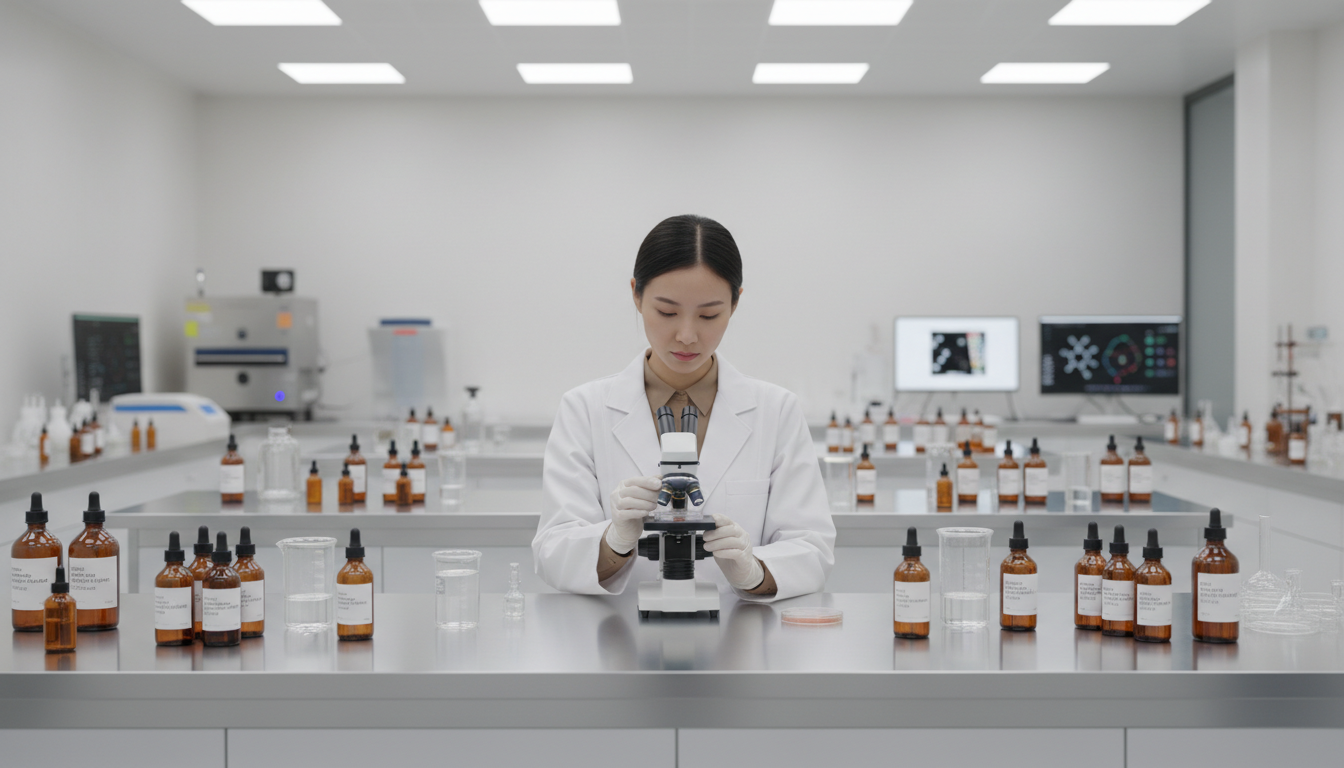
The Role of Peptides in Skincare
Peptides in skincare products aim to mimic the body's natural processes, encouraging the skin to produce more collagen and elastin. This can lead to firmer, smoother skin with reduced signs of aging. By targeting specific skin concerns, peptides can help improve texture, hydration, and overall appearance.
Some common types of peptides used in skincare include signal peptides, carrier peptides, and enzyme-inhibitor peptides. Each type plays a unique role in enhancing skin health and vitality.
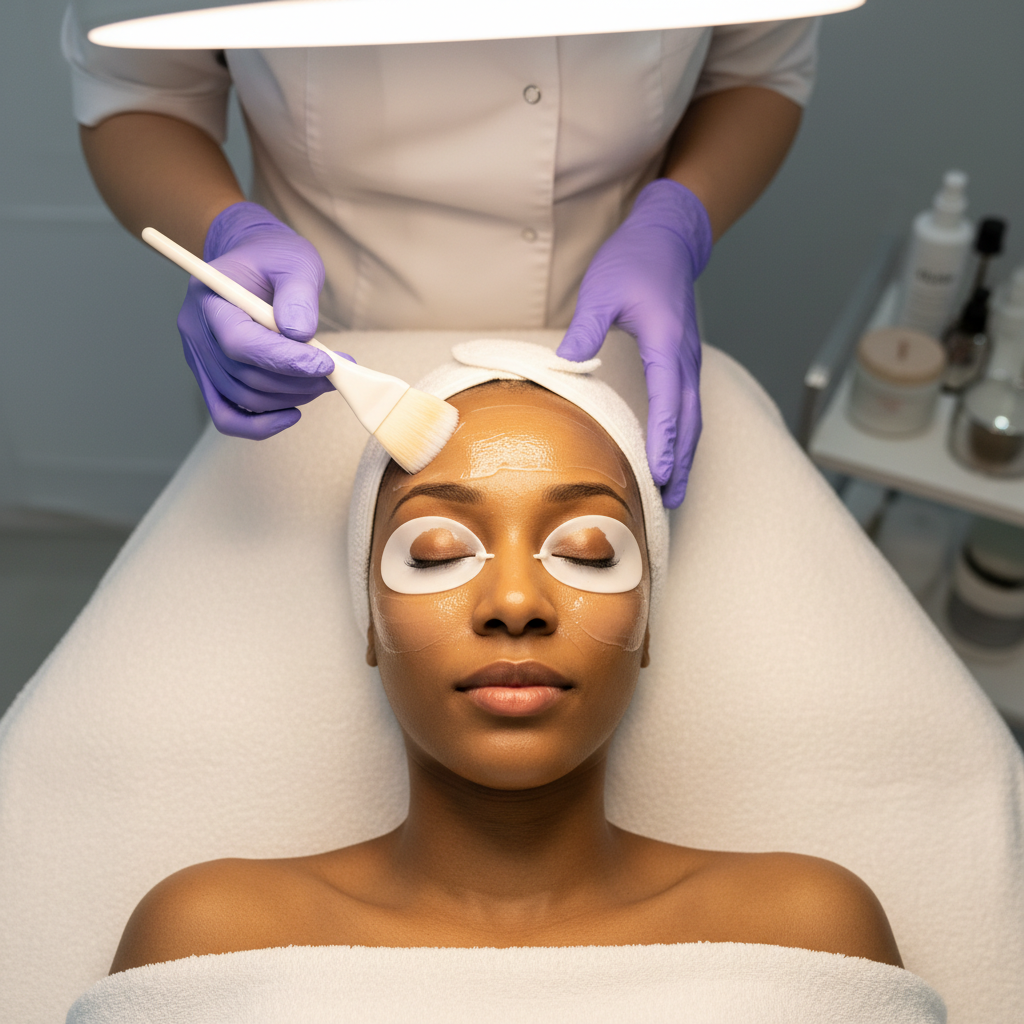
Benefits of Peptides in Aesthetic Treatments
The use of peptides in medical aesthetics offers several benefits:
- Boosts collagen production: Peptides stimulate collagen synthesis, which is vital for maintaining skin elasticity and youthfulness.
- Enhances skin barrier: They support the skin's protective barrier, helping to retain moisture and fend off environmental damage.
- Reduces inflammation: Peptides can calm irritated skin, making them ideal for sensitive skin types.
These benefits make peptides a versatile ingredient in various aesthetic procedures, from topical creams to injectable treatments.
How to Incorporate Peptides into Your Routine
Incorporating peptides into your skincare routine can be straightforward. Look for products like serums, moisturizers, and masks that contain peptides. It's essential to follow a consistent skincare regimen to maximize the benefits. Additionally, consulting with a dermatologist or aesthetician can help tailor the use of peptides to your specific skin needs.
For those considering aesthetic treatments, discussing options with a qualified medical professional can provide insights into how peptides can be effectively used in conjunction with other therapies.
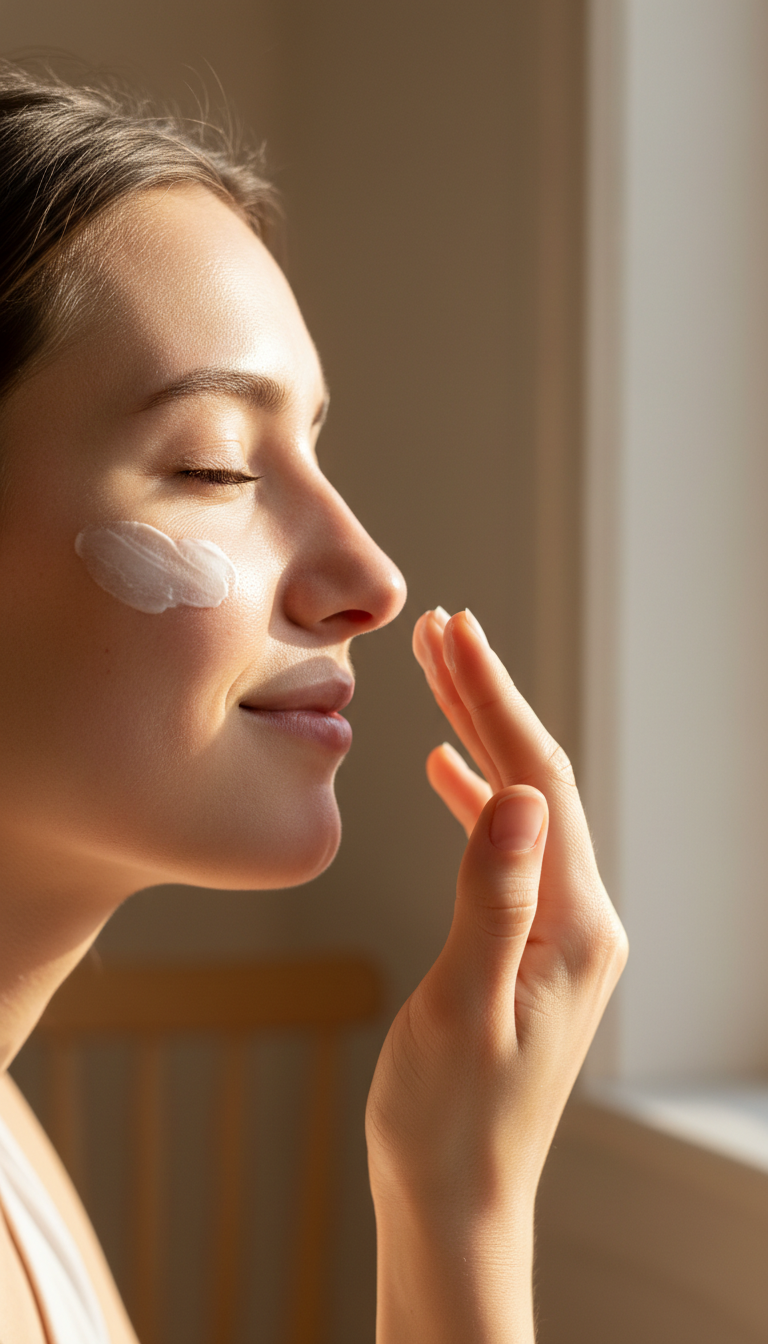
Future Trends in Peptide Research
As research continues, the potential applications of peptides in medical aesthetics are expanding. Scientists are exploring new peptide formulations and delivery methods to enhance efficacy and target specific skin concerns more precisely.
Innovations in peptide technology may lead to even more effective anti-aging solutions and personalized skincare treatments. This ongoing research promises exciting developments in the field of aesthetic medicine.

In conclusion, peptides offer a promising avenue for enhancing skin health and appearance. Whether used in topical products or advanced aesthetic procedures, their ability to support natural skin processes makes them an invaluable asset in medical aesthetics. As the industry evolves, peptides will likely continue to play a pivotal role in achieving youthful, radiant skin.